
A small boutique can still feel spacious, premium, and profitable when every area is planned carefully. The right layout, fixtures, lighting, and storage help improve product visibility while keeping the space open and easy to explore.
Small boutique store design focuses on clear customer flow, vertical displays, compact custom fixtures, smart lighting, product zoning, hidden storage, flexible merchandising, and practical checkout planning.
Here are 8 small boutique store design ideas to help you maximize space, improve the shopping experience, and support stronger sales.
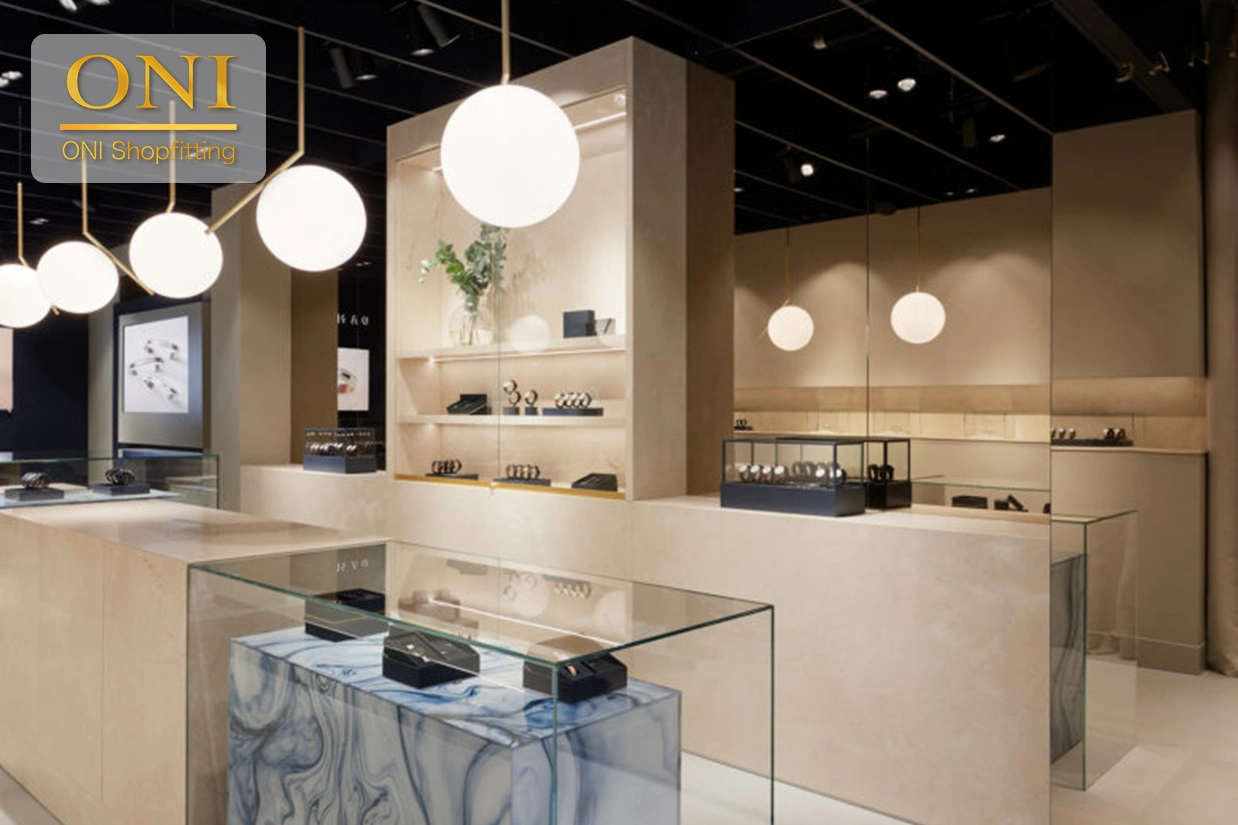
1. Define the Sales Goal Before Planning the Space
Small boutique store design should begin with the sales goal, not decoration. A compact retail space has limited floor area, so every fixture and display zone must support a clear business purpose. Before choosing colors, wall panels, racks, or display tables, the retailer should ask what the store needs to achieve: attract walk-in customers, promote new arrivals, increase fitting room conversion, sell premium products, or improve average order value.
Different boutique categories need different space priorities. A fashion boutique may need more fitting room support and coordinated outfit displays. A jewelry boutique may need secure showcases and a calm consultation area. A beauty or perfume boutique may need tester counters, storage drawers, easy-clean surfaces, and strong lighting. If the design does not match the product category, the store may look attractive but fail to support real shopping behavior.
A clear sales goal also helps control the project budget. In a small store, it is easy to spend money on decorative features that do not improve browsing or conversion. A better approach is to invest in fixtures, lighting, storage, and layout details that directly help customers discover products and make decisions. For retailers who want more inspiration, ONI’s guide on small clothing boutique interior design ideas offers practical ideas for compact fashion retail spaces.
2. Keep the Customer Flow Simple and Natural
Customer flow is one of the most important parts of small boutique design. Customers should understand the store quickly after entering. If the layout feels narrow, confusing, or blocked by oversized fixtures, shoppers may leave before exploring the full product range. A small boutique needs a simple path that guides customers naturally from entrance to key displays, product zones, fitting rooms, and checkout.
A soft loop layout often works well in compact boutiques. Wall displays can guide movement along the sides, while a small central display table can highlight bestsellers or seasonal products. The customer should be able to move forward without constantly turning around or squeezing between fixtures. Even a narrow store can feel comfortable if the main path is kept clear.
The customer flow should also support staff operation. Staff need room to assist customers, restock products, manage fitting rooms, prepare packaging, and complete transactions. If the store layout only considers product display but ignores staff movement, the boutique may become difficult to operate during busy periods.
3. Use Vertical Wall Displays to Save Floor Space
Walls are one of the most valuable assets in a small boutique. When floor space is limited, vertical display planning allows the store to show more products without making the sales floor feel crowded. Wall-mounted shelves, hanging rails, peg systems, illuminated niches, modular wall panels, and slim wall cabinets can all increase display capacity while keeping the center of the store open.
Vertical displays also help create stronger visual organization. Products can be arranged by category, color, collection, price level, or style story. For example, a fashion boutique can use wall rails for clothing and small shelves for bags or accessories. A beauty boutique can use illuminated wall shelves for skincare, fragrance, and makeup. A lifestyle boutique can use modular wall panels to display small products clearly.
The key is to avoid turning the wall into a crowded storage surface. Good vertical displays need spacing, lighting, and product hierarchy. Hero items should be placed at eye level, supporting products can sit above or below, and storage should be hidden where possible. For fashion boutiques, ONI’s custom clothing store display fixtures include clothing racks, wall displays, shelving, counter displays, and modular fixture options.
4. Choose Compact Custom Fixtures With Hidden Storage
Generic furniture often wastes space because it is not designed for the store’s exact dimensions, product sizes, or storage needs. In a small boutique, a fixture that is only slightly too deep or too wide can interrupt the whole customer flow. Custom fixtures solve this problem by matching the available floor plan and the way products are actually sold.
Compact custom fixtures may include narrow display tables, slim garment racks, nesting tables, corner shelves, wall cabinets, under-counter drawers, and multi-function checkout counters. These fixtures help the boutique display products while also hiding stock, packaging, shopping bags, accessories, and staff tools. Hidden storage is especially valuable because a small store can look messy very quickly when operational items are visible.
Custom fixtures also improve brand consistency. A small boutique may not have many design elements, so each fixture carries more visual weight. Materials, finishes, handles, lighting details, and proportions should match the brand style. ONI Shopfitting’s custom retail display solutions help brands develop fixtures that fit limited floor plans, product categories, visual merchandising needs, and daily store operation.
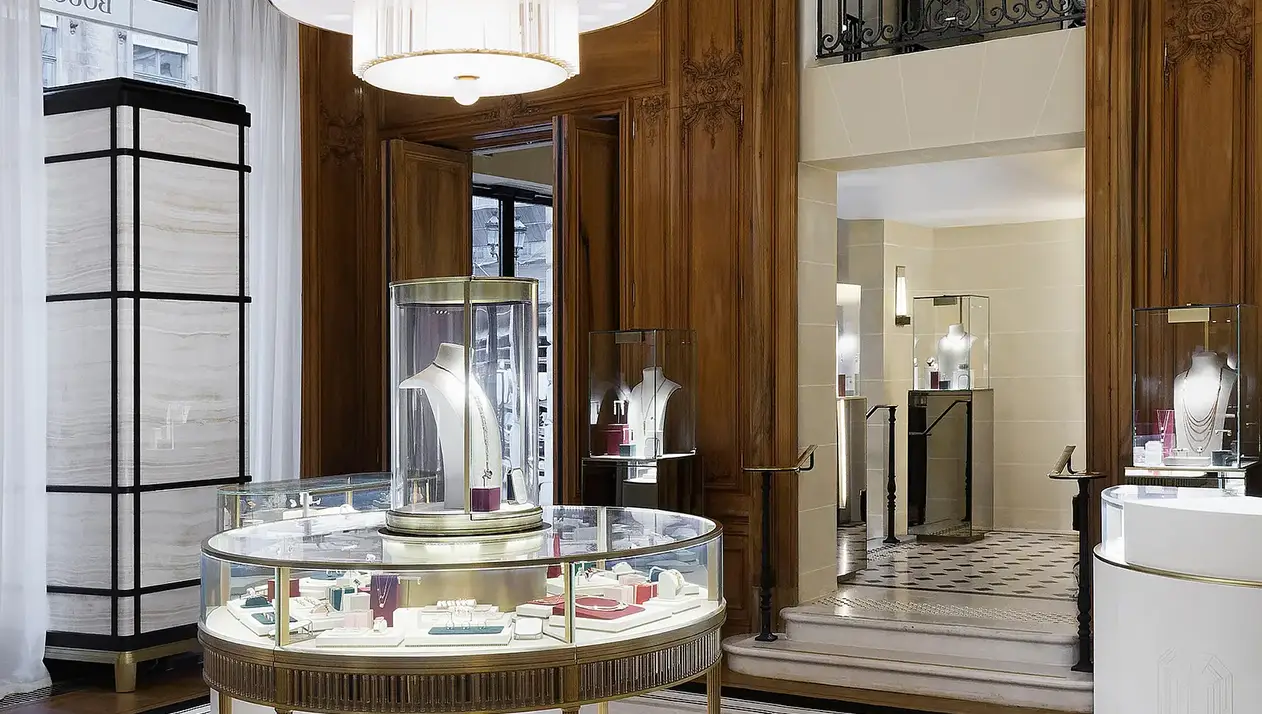
5. Create Focused Product Zones Instead of Crowded Displays
Product zoning becomes even more important in a small boutique because customers have less space to explore. If too many products are mixed together, the store can feel confusing and overloaded. Clear product zones help shoppers understand the store faster and make product comparison easier.
A small fashion boutique can separate new arrivals, bestsellers, accessories, fitting room add-ons, and promotional items. A jewelry boutique can separate hero pieces, everyday collections, premium items, and consultation products. A perfume or beauty boutique can separate testers, gift sets, hero fragrances, skincare, and makeup. These zones give customers a clear reason to move through the space.
Focused zoning also supports sales strategy. High-margin products can be placed in stronger visual positions, while everyday items can be organized in easy-to-reach supporting zones. This helps the boutique guide attention without relying only on signs or staff explanation.
6. Use Mirrors, Glass, and Lighting to Make the Store Feel Larger
Small boutiques need visual openness. Mirrors, glass, light-colored finishes, and layered lighting can make the store feel larger and brighter without increasing the actual floor area. These elements work by reflecting light, reducing visual heaviness, and creating depth in the space.
Mirrors can be used near fitting rooms, behind selected displays, or along narrow walls to expand the sense of space. Glass shelves and transparent showcases help products remain visible without blocking sightlines. Light-colored wall panels, soft neutral finishes, and slim metal details can make the interior feel cleaner and less heavy.
Lighting should be planned in layers. General lighting keeps the store bright, accent lighting highlights key products, and display lighting adds focus to shelves or showcases. In fitting rooms, flattering lighting is especially important because it directly affects customer confidence.
7. Keep the Checkout Area Compact but Efficient
The checkout counter should be compact, but it still needs to support real store operation. Many small boutiques make the mistake of using a large counter that blocks customer movement and takes valuable display space. A better solution is a slim, functional counter with hidden storage and a clean customer-facing design.
A good small boutique checkout area should include space for payment equipment, packaging materials, shopping bags, receipts, staff tools, and small impulse-buy products. It should be easy for customers to find, but it should not dominate the store. The counter can also be used as a subtle brand touchpoint through materials, lighting, logo placement, or display details.
Checkout position matters as well. If it is too close to the entrance, customers may feel the store is too transactional. If it is hidden too far away, customers may feel confused when they are ready to buy. When planning a checkout counter in a small boutique, accessibility should also be considered.
8. Plan Flexible Displays for Seasonal Changes
Small boutiques need to refresh displays frequently. New collections, holiday campaigns, promotional products, limited editions, and local events all require the store to change its merchandising. If the fixtures are too fixed, the boutique can quickly feel repetitive or difficult to update.
Flexible display solutions can include movable tables, adjustable shelves, removable trays, modular racks, interchangeable signage, and lightweight display units. These features allow staff to update the store without major renovation. A flexible display system helps the boutique respond quickly to product launches and seasonal sales opportunities.
Flexibility also protects long-term investment. Instead of replacing fixtures every time the store changes its theme, the retailer can reuse the same core fixture system in different ways. Flexible fixture systems help small boutiques update new arrivals, holiday campaigns, and promotional displays without rebuilding the store. ONI Shopfitting’s article on retail store fixture design principles explains how modularity, durability, and adaptability support long-term retail performance.
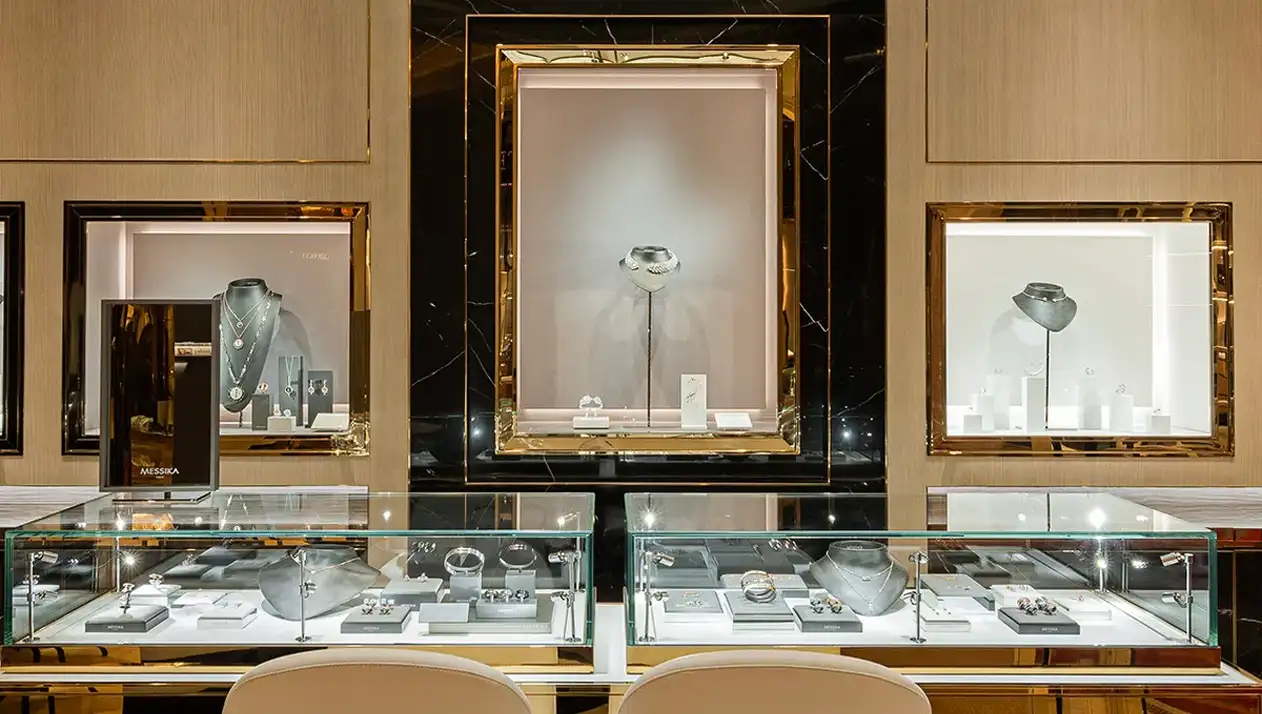
ONI Shopfitting Supports Small Boutique Store Design
ONI Shopfitting helps boutique brands turn small retail spaces into practical, stylish, and high-converting environments. With 25 years of industry experience and a 30,000-square-meter headquarters in Guangzhou, China, ONI Shopfitting supports design development, engineering detailing, custom fixture manufacturing, quality control, packaging, logistics, and installation guidance.
For small boutique projects, ONI Shopfitting can customize wall displays, garment racks, glass showcases, display tables, checkout counters, storage cabinets, lighting-integrated fixtures, and modular retail systems. These solutions help retailers maximize limited space while keeping the store visually consistent and easy to operate. The goal is not simply to fill the space with fixtures, but to make every fixture support product display, customer movement, storage, and sales.
ONI Shopfitting is also suitable for designers, contractors, project managers, and regional shopfitting companies that need a reliable manufacturing partner. For small boutique brands that need support from concept to production, ONI Shopfitting’s one-stop retail store display cabinet solution provides design development, engineering, manufacturing, quality control, packaging, logistics, and installation guidance.
Summary
Small boutique design works best when layout, fixtures, lighting, storage, and customer flow are planned together. Smart use of space can create a store that feels open, organized, and more effective for sales.
Frequently Asked Questions
How do you make a small boutique look bigger?
Use clear customer flow, vertical wall displays, mirrors, glass shelves, light-colored finishes, layered lighting, compact fixtures, and hidden storage to make the store feel more open.
What fixtures are best for small boutique stores?
Slim garment racks, wall-mounted shelves, nesting tables, modular displays, hidden storage counters, glass showcases, corner shelving, and lighting-integrated fixtures work well in small boutique spaces.
Can ONI Shopfitting customize fixtures for small boutique stores?
Yes. ONI Shopfitting can customize boutique fixtures for fashion, beauty, jewelry, perfume, lifestyle, and accessories stores, including design support, manufacturing, packaging, and delivery guidance.