


Retail display design is a comprehensive discipline that integrates consumer psychology, spatial design, visual merchandising, and business operations. Its core objective is to maximize customer attraction, boost sales, and enhance brand experience and sales per square foot within a limited space.
Great retail fixtures balance practicality, brand style, and adaptability. With trends like modular setups, eco-friendly materials, and tech-integrated displays, retailers can craft engaging spaces, boost product visibility, and drive sales.
To master modern retail fixture design, let’s start with where it all began.
The Historical Roots of Retail Store Fixture Design
The origins of modern retail display design can be traced back to the mid-to-late 19th century, following the Industrial Revolution. Before this, retail primarily relied on traditional counter service, with merchandise stored on back-wall shelves or in barrels inaccessible to customers. It wasn’t until around the 1850s, with advancements in glassmaking and the emergence of large department stores like Le Bon Marché in Paris, that retailers truly recognized the importance of visual merchandising. Display props began to shift from purely storage functions to stimulating customer desire, presenting merchandise directly to consumers.
In the 21st century, retail display has evolved into a crucial vehicle for customized commercial spaces and brand narratives. Facing competition from e-commerce, physical stores are placing greater emphasis on immersive experiences. Display props are also evolving towards high-end materials, smart technology, modular design, and environmental friendliness, gradually transforming into brand experience terminals that provide one-stop space solutions.
What Are the Core Principles of Effective Store Fixture Design?
Great retail store fixture design follows five timeless, practical principles that fit all retail formats and brand styles. Effective design always balances visual appeal, practical performance and long-term value.
1. Functionality
Fixtures are built first for practical daily operation. They present products in a clear, eye-catching way, allow fast and easy restocking, and perfectly fit staff workflow. Well-designed fixtures simplify store management, speed up inventory arrangement, and make product classification neat and orderly.
They also should take customer shopping habits into account, making goods easy to view, reach and select, greatly improving shopping convenience and in-store operating efficiency.
2. Brand Identity
Every display fixture and store fitting should align perfectly with brand positioning and brand tone. Whether the brand style is modern minimalist, vibrant street fashion, classic luxury or high-tech futuristic, customized fixtures unify the in-store look through material selection, color matching, shape design and logo presentation. It strengthens brand recognition at first sight, delivers a consistent brand image across all chain stores, and deepens customers’ brand impression and sense of identity.
3. Flexibility & Adaptability
The retail market and consumer demands change rapidly. Quality fixtures feature modular and adjustable structures, which can be easily rearranged and reconfigured for seasonal campaigns, holiday promotions, pop-up events and new product launches.
Retailers can adjust shelf heights, display combinations and layout layouts freely according to market trends, without costly full store renovation. It saves renovation time and budget, and keeps the store always fresh and attractive to repeat customers.
4. Durability & Premium Material Quality
Retail spaces face heavy daily foot traffic, frequent customer contact and long-hour business operation. Adopting high-quality, sturdy hardware, stable plates, scratch-resistant surface materials ensures store fixtures withstand long-term wear and tear, collision and daily cleaning.
They can maintain stable structure, no deformation and good appearance for years. It effectively reduces later maintenance cost, repair trouble and replacement frequency, bringing stable service life and better long-term return on investment for retail brands.
5. Space Efficiency & Layout Rationality
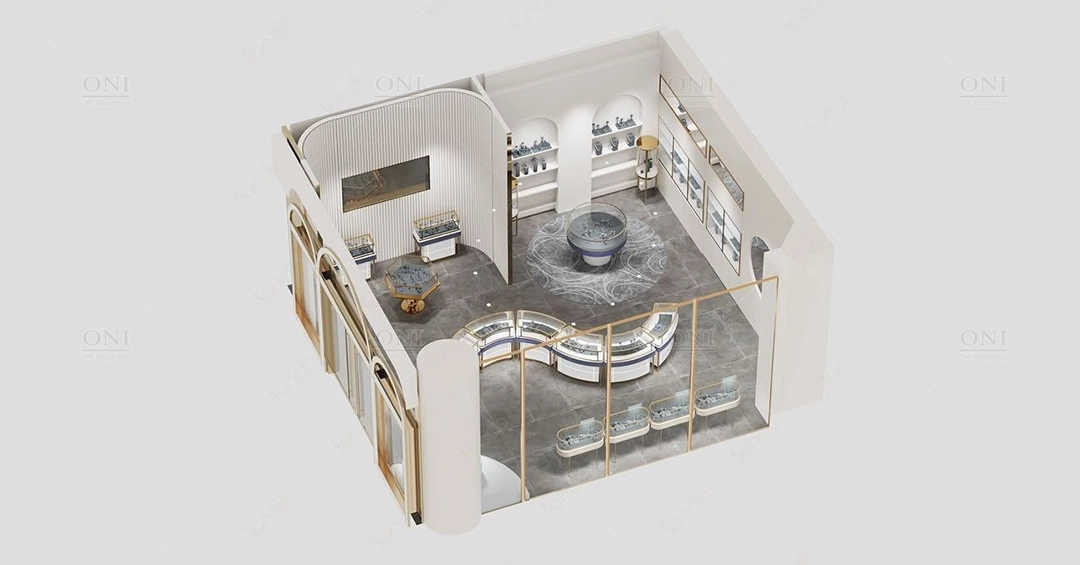
Excellent fixture design makes full use of every inch of retail space, whether it is large chain stores, small boutique shops or mall kiosks. It optimizes customer walking routes, reasonable functional partitions and layered product display areas, maximizing the number of displayed products while keeping the whole store open, comfortable and never cramped.
How Does Fixture Design Influence Customer Behavior?
Shopping isn’t just about buying things, it’s about moving, looking, and interacting with a space. Fixture design acts as the silent salesperson, controlling every step of that customer journey.
Here is how strategic design shapes behavior:
Here is how strategic design shapes behavior:
Strategic Pathing: Wide, clear aisles do more than prevent overcrowding; they subconsciously encourage customers to explore every corner of your store, guiding them naturally from everyday essentials to new discovery zones.
The Power of Placement: Products placed at eye level grab attention instantly. By utilizing varying shelf heights and display pedestals, retailers can direct focus exactly where they want it.
Elevating Perceived Value: The materials and lighting integrated into your fixtures change how a product is judged. Anti-glare glass and precision LED lighting within a custom showcase don’t just illuminate an item—they elevate it, transforming high-end goods into irresistible focal points.
Ergonomic Accessibility: Easy-to-reach retail display cabinets remove friction from the shopping experience. Whether it’s an open-style display unit or a sleek, frameless glass showcase, removing physical barriers ensures that product visibility directly translates to impulse purchases.
Balancing Security with Engagement: For premium merchandise such as products displayed in a jewelry showcase or watch showcase, the design must protect without intimidating. Modern display cabinets achieve this through seamless joints and hidden smart locks, allowing shoppers to get up close and personal with the products while maintaining absolute security.

What Are the Latest Trends in Retail Store Fixture Design?
Retail is always changing, and fixture design is evolving right along with it. Here are the key trends shaping modern retail store and pop-up shop design today:
1. Modular Systems
Moveable, reconfigurable modular fixtures allow retailers to rearrange layouts freely without major renovations. Lightweight, easy to assemble and disassemble, they fit perfectly for seasonal updates, in-store promotions, new product launches and temporary pop-up stores. They cut renovation costs, save installation time, and keep the retail space always fresh and attractive to customers.
2. Sustainable Materials
Eco-friendly retail design has become a mainstream standard for global brands. More retailers choose recycled wood, environmentally friendly board, low‑VOC paint and reusable display fixtures. These sustainable materials not only present a natural high-end texture, but also reflect corporate social responsibility, helping brands build a green, eco-conscious image and win more customer recognition.
3. Smart Retail Technology
Modern store fixtures are no longer simple display units. Integrated soft LED strip lighting, backlit light boxes, embedded digital screens and interactive display stands greatly enhance the shopping atmosphere. Intelligent lighting highlights product texture, while digital interfaces deliver brand content and product information, creating an immersive shopping experience and effectively boosting customer engagement.
4. Minimalist & Premium Design
Simple clean lines, neutral color palettes, matched with metal, glass and high-grade panel finishes, dominate modern retail design. The minimalist style abandons excessive decoration, keeps the whole store tidy and spacious, and lets products become the visual focus. It is widely applied in luxury boutiques, beauty retail, fashion apparel and lifestyle brand stores, upgrading overall store grade and brand temperament.
5. Bespoke Customization
Standard generic fixtures can no longer meet differentiated brand needs. Bespoke custom store fixtures tailor size, structure, material, color and style according to brand positioning, product characteristics and store space layout. Customized display cabinets and shelf solutions perfectly fit brand VI style, realize exclusive store image, and help brands form unique market competitiveness in the fierce retail environment.
ONI Shopfitting’s Solutions for Retail Display
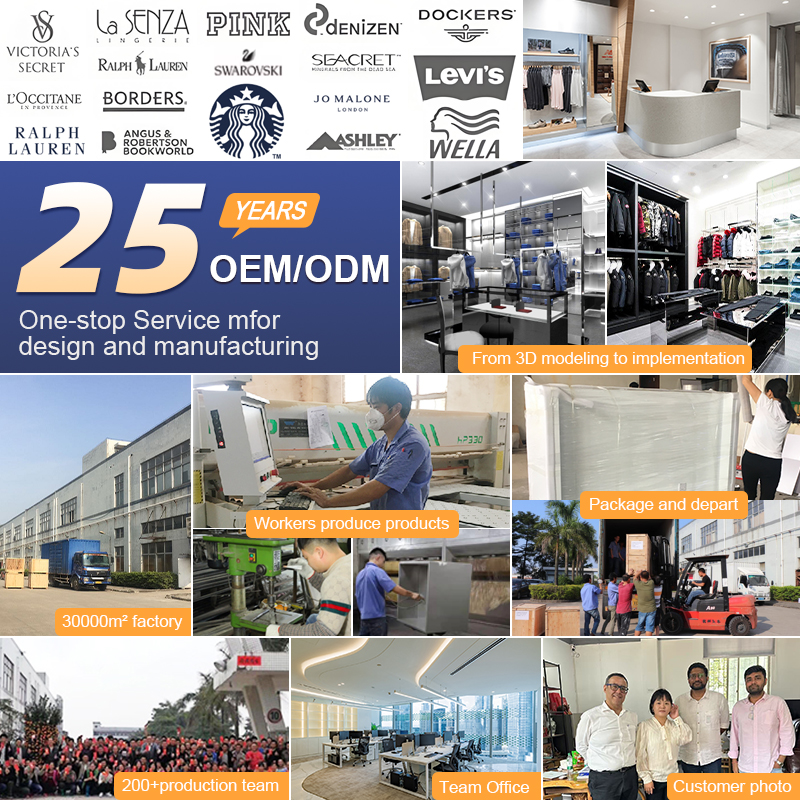
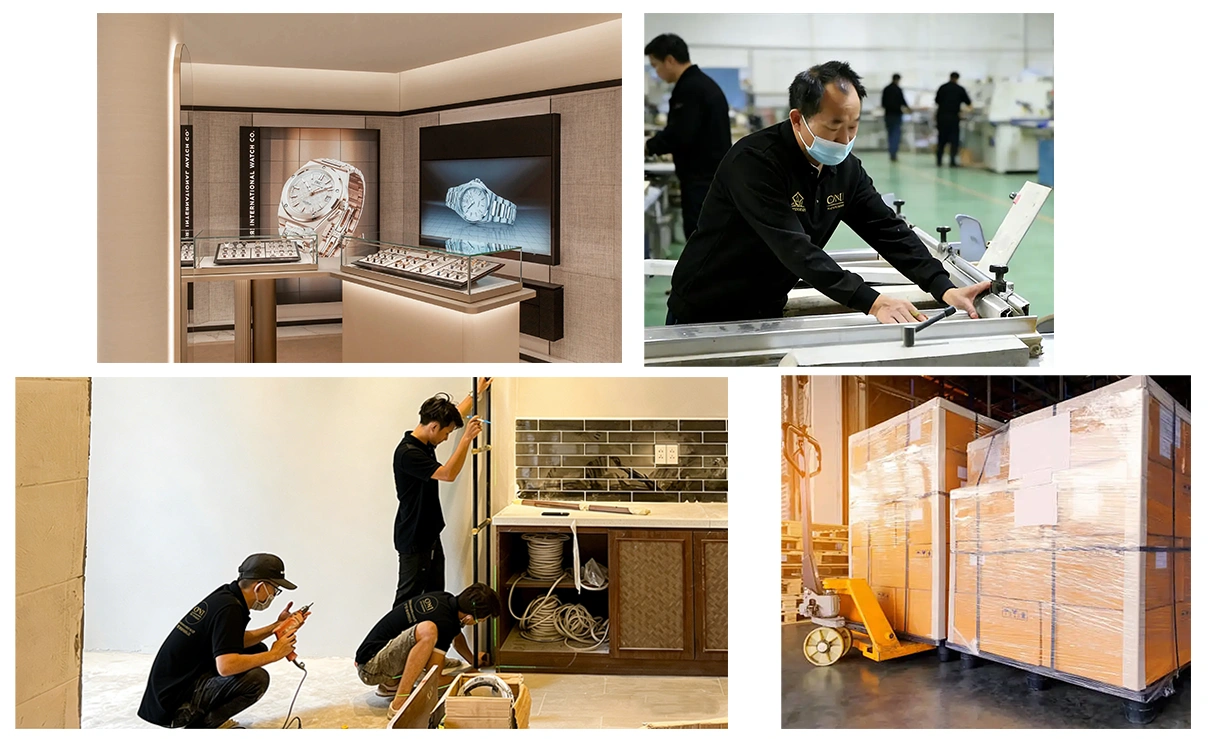
ONI Shopfitting delivers comprehensive retail fixture solutions tailored to the evolving needs of global clients. With 25 years of experience and a 30,000-square-meter manufacturing facility, ONI provides end-to-end services including design development, production, and installation. This integrated approach ensures consistency, efficiency, and high-quality execution across every project stage.
For global retail brands, ONI enables scalable fixture systems that maintain brand identity across multiple markets while supporting faster rollouts and lower operating costs. For design firms, ONI transforms creative concepts into precise, manufacturable solutions through expert material selection, CAD detailing, and craftsmanship. For contractors and project managers, ONI delivers reliable timelines, quality control, and installation support for complex retail environments.
From fashion boutiques and cosmetics stores to electronics shops, clothing showcase, and perfume & cosmetic showcase projects, ONI combines innovation, customization, and global logistics capabilities to help clients reduce costs, elevate store presentation, and improve overall retail performance.
FAQ
1. What are custom retail fixtures?
Custom retail fixtures are tailor-made display units designed to match a brand’s products, store layout, and visual identity. They can include shelving, counters, display racks, wall units, kiosks, jewelry showcases, and watch showcases that improve product presentation and customer experience.
2. How long does it take to design and build custom fixtures?
The timeline depends on complexity, materials, and order quantity, but most custom retail fixture projects take 2 to 6 weeks from concept to production. Larger rollouts or highly detailed projects may require additional time for prototyping, approvals, and installation planning.
3. What materials are best for retail display fixtures?
The best materials depend on brand style, budget, and product type. Common choices include wood for warmth and premium appearance, metal for durability and modern style, glass for luxury displays like jewelry showcases, and acrylic for lightweight, cost-effective merchandising. Many premium fixtures combine multiple materials for the best result.
👉 Get in touch with us today to start your project.
📞 WhatsApp/Call: +86 186 2096 3396
📧 Email: sales1@onishopfitting.com
🌐 Website: www.onishopfitting.com
📍 Factory Location: Guangzhou, China
🔗Check out our social media case studies:Guangzhou ONI Shopfitting Limited