A poorly designed
jewelry counter can make valuable pieces look less appealing while creating security risks and an uncomfortable shopping experience. Counters that are too high or too low restrict product visibility, narrow aisles cause congestion, weak locking systems leave merchandise vulnerable, and low-quality lighting can distort the color and brilliance of jewelry. In high-traffic stores, these problems become even more noticeable, affecting customer confidence, staff efficiency and sales performance.
A successful display addresses these challenges through an integrated approach to dimensions, security, lighting and circulation. The following guide explores the key considerations for custom jewelry counter displays, including cabinet types, dimensions, security features, lighting design, storage and layout strategies for high-traffic retail environments.
Which Jewelry Display Cabinet Type Fits Each Selling Zone?
The right jewelry counter depends on customer flow, staff service requirements, product value and the level of security needed. Most jewelry stores combine several counter configurations to support different stages of the selling process.
- Straight sales counters create a clear boundary between customers and staff. They are ideal for rings, bridal jewelry and other high-value pieces that require assisted presentation.
- Island counters provide visibility from multiple directions and encourage customers to explore featured collections. Secure floor anchoring, clear sightlines and close staff supervision are essential.
- L-shaped and U-shaped counters define a more controlled selling area while giving staff additional display and storage capacity. They work well in larger stores with several service points.
- Consultation counters provide a comfortable space for product comparisons, fittings and longer conversations. They should include high-quality task lighting, a clean work surface and secure storage within staff reach.
- Kiosk counter systems combine multiple display counters into a compact retail footprint. Their design requires careful planning for circulation, wiring, storage, locks and staff access.
What Are Practical Jewelry Counter Dimensions?
Jewelry counter dimensions should support clear viewing and efficient staff access. Height, depth, display space and storage can be customized to the store layout, merchandise and tray sizes. The following ranges are practical starting points. Confirm final dimensions using verified site measurements and production drawings.
Display type
Common planning size-fully customizable
Customization priorities
Material and security starting point
Lighting approach
Best use
Front sales counter
Commonly 900-1,050 mm H × 500-650 mm D; modules usually 900-1,500 mm long
Adjust counter height, glass chamber depth, tray capacity, presentation surface and staff-side drawers
Low-iron safety glass, rigid frame, anchored base and lockable staff-side access
Concealed linear LED with focused accent lights
Assisted selling, bridal and fine jewelry
Low island cabinet
Commonly 900-1,050 mm H × 700-1,200 mm W; length customized to the display zone
Customize the footprint, viewing sides, glass height, internal trays and circulation clearance
Laminated or specified security glazing for higher-risk use with concealed locks
Perimeter LED lighting with glare shielding
Central browsing and hero collections
Upright wall cabinet
Commonly 1,800-2,200 mm H × 400-550 mm D
Adapt the cabinet height, shelf spacing, graphics, storage base and wall fixing to the site
Safety glass doors, anti-lift hinges and wall or floor fixing
Vertical side lights with shelf or top accents
Necklaces, watches and complete jewelry sets
Feature pedestal
Commonly 900-1,200 mm H with a 400-700 mm footprint
Customize the pedestal height, glass top, rotating platform, branded base and product focus
Secure display box, anchored plinth and minimal access points
One controlled beam or compact internal accent lights
Signature pieces, launches and limited collections
Consultation counter
Commonly 720-760 mm for a seated work surface; standing height customized to the sales concept
Adapt the worktop, seating position, customer reach, power access and nearby storage
Durable worktop, lockable drawers and concealed cable routes
High-CRI task lighting without reflected glare
Try-on, customization and VIP service
Mall jewelry kiosk
Counter height commonly 900-1,050 mm; overall footprint determined by the lease line
Customize the counter modules, corners, access gate, storage, branding and multi-sided displays
Strong anchoring, controlled openings, lockable storage and code-compliant barriers
Zoned case lighting with concealed drivers
Compact and high-traffic retail environments
Customize the display chamber, drawers, cabling and maintenance access around actual jewelry trays and products. A sample or full-size mock-up can verify reach, visibility and glare before production.
How Should Security Glass and Locks Be Specified?
Jewelry counter security should combine suitable glazing with a rigid frame, protected joints and secure structural anchoring.
Tempered glass supports impact safety, laminated glass helps retain fragments after breakage, and
low-iron glass improves product clarity. Higher-risk stores may require tested forced-entry-resistant glazing based on their risk assessment, insurance requirements and local regulations.
Locks and hardware should match the merchandise value and frequency of staff access. Commercial locks, anti-lift hinges, protected fasteners and controlled keys or electronic credentials should be integrated during the design stage. Doors must remain convenient for staff to operate without exposing other merchandise, while optional door, vibration or glass-break sensors can provide additional protection.
What Lighting Makes Jewelry Look Accurate and Valuable?
Jewelry lighting should create sparkle without changing the apparent color of metals and gemstones. Use
LEDs with a
color rendering index of at least CRI 90 as a baseline, consistent color binning across fixtures and replaceable drivers located where technicians can reach them. Control glare by hiding the light source from normal viewing angles and aiming light at the merchandise rather than the customer.
Merchandise focus
Useful starting color temperature
Lighting priority
Yellow and rose gold
2,700-3,000 K
Warmth, skin tone and rich metal color
Mixed jewelry collections
3,000-3,500 K
Balanced color appearance across metals and stones
Diamonds, platinum and silver
3,500-4,000 K
Crisp contrast and controlled sparkle without a blue cast
Colored gemstones
3,000-4,000 K after sample testing
Accurate hue and saturation; verify with the actual stones
Color temperature is not a quality score. A poor-spectrum 4,000 K LED can render jewelry less accurately than a well-specified 3,000 K source.
Before approving the lighting, test it with the actual merchandise, display trays and ambient lighting planned for the store. During testing, look for unwanted reflections on the glass, glare or hotspots on polished metal, and shadows created by taller display props. Once the light source has been selected, integrate the entire lighting system into the cabinet design. Plan concealed cable routes, adequate ventilation, dimming controls and easy access to drivers, while ensuring that replacement components will remain readily available for future maintenance.
Where Should Storage Go in a Jewelry Counter?
Storage should be located primarily on the staff side of the jewelry counter, where employees can reach it without leaving the controlled selling zone or turning away from an open display case. Customer-facing panels should remain closed and inaccessible, while drawers and doors should open only into the staff work area.
The most practical locations include:
- Directly beneath the display deck: Use shallow, lockable drawers for active jewelry trays so staff can retrieve products without moving far from the customer.
- Below the staff-side work surface: Position frequently used packaging and sales tools at a comfortable working height.
- Inside the lower counter base: Use deeper cabinets for larger boxes, bags and less frequently accessed supplies.
- At counter ends or internal corners: Add secure compartments only where they remain visible to staff and do not interfere with circulation.
- In a separate service compartment: Isolate lighting drivers, cables, chargers and POS connections from merchandise storage and provide ventilation and maintenance access.
Avoid placing drawers where they open into customer routes or restrict movement behind the counter. High-value reserve inventory should generally be kept in an approved safe or secure stockroom rather than in standard counter storage.
How Do You Plan a High-Traffic Jewelry Store Layout?
A high-traffic layout should slow customers at key collections without creating congestion. Start by mapping three flows: the
customer journey, the staff service route and the merchandise replenishment route. Conflict between these flows causes blocked aisles, open-case exposure and a poorer buying experience.
1. Keep the Entrance Legible
Do not crowd the entrance with tall cases. Give customers a clear view of the main collection and an obvious route into the store. A low island can create a focal point while preserving visibility to the rear.
2. Build a Clear Primary Loop
Arrange counters so customers can continue forward instead of repeatedly turning back. Place high-interest collections along the loop, with enough space at corners and consultation points for two parties to pause without blocking circulation.
3. Protect Sightlines
Staff should be able to see island cases, entrances and likely blind spots from normal working positions. Place tall wall cabinets around the perimeter and test every proposed partition, sign and decorative screen against the supervision plan.
4. Separate Browsing From Consultation
Quick browsing and high-value consultation happen at different speeds. Put consultation seating near controlled storage and staff support, but outside the fastest route. This gives serious buyers more privacy without causing a queue around a showcase.
5. Plan for Peak Conditions
Test the layout with realistic groups: customers standing shoulder to shoulder, staff opening drawers, a customer using a mobility device, a queue at checkout and a security response route. Floor plans that work when empty may fail during launches, weekends and holiday peaks.
Contact ONI Shopfitting to explore jewelry shops, luxury stores and other high-traffic formats before finalizing the layout.
In Conclusion
A successful jewelry counter display must balance product presentation, security, lighting, storage and customer circulation. Practical dimensions create comfortable interaction between customers and staff, while custom sizing allows every cabinet to respond to the store layout, merchandise mix and brand identity. Appropriate security glass, commercial locks and structural anchoring help protect valuable products, while high-CRI lighting presents jewelry with accurate color and controlled brilliance.
Rather than selecting individual cabinets without a coordinated plan, retailers should develop the display system around the complete customer journey and daily store operation. Explore ONI Shopfitting’s jewelry display cabinet collection, review its
complete jewelry store solutions and browse real retail projects for layout and fixture inspiration. When you are ready to begin a custom project,
contact ONI Shopfittingwith your floor plan, preferred style and display requirements.
Frequently Asked Questions
What is the best height for a jewelry counter display?
About 900-1,050 mm is a practical starting range for many standing sales counters. A seated consultation surface is commonly lower, around 720-760 mm. Because jewelry counters can be fully customized, the final height should be tested against customer sightlines, staff reach, display props, accessibility requirements and the intended sales process.
Is laminated glass better than tempered glass for jewelry showcases?
They solve different problems. Tempered glass provides impact strength and safety breakage behavior, while laminated glass helps retain fragments after breakage and can delay access. Higher-risk displays may require a specified, tested security glazing assembly. The correct choice should follow a project risk assessment, insurer requirements, local codes and professional glass engineering.
What information does a manufacturer need to quote custom jewelry display cabinets?
Provide a dimensioned plan, cabinet schedule or quantities, target sizes, material and finish references, glass and lock requirements, lighting preferences, storage needs, destination and opening date. Tray dimensions, site photos, electrical standards and an expected budget range will make the quotation more accurate.

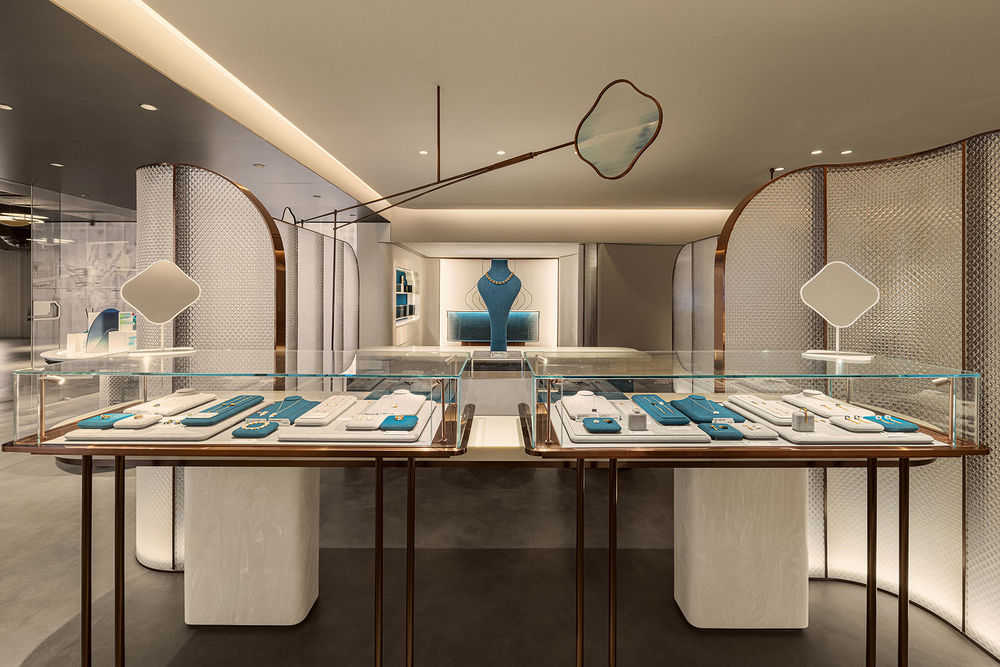
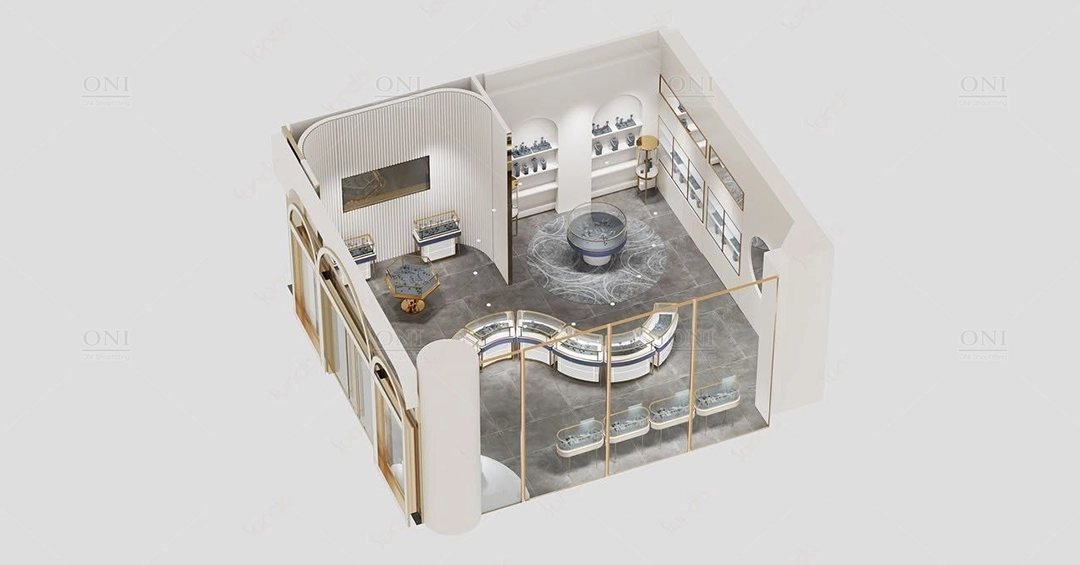
 Get in touch with us today to start your custom jewelry store fixtures project.
 WhatsApp/Call: +86 186 2096 3396
 Email: sales1@onishopfitting.com
 Factory Location: Guangzhou, China