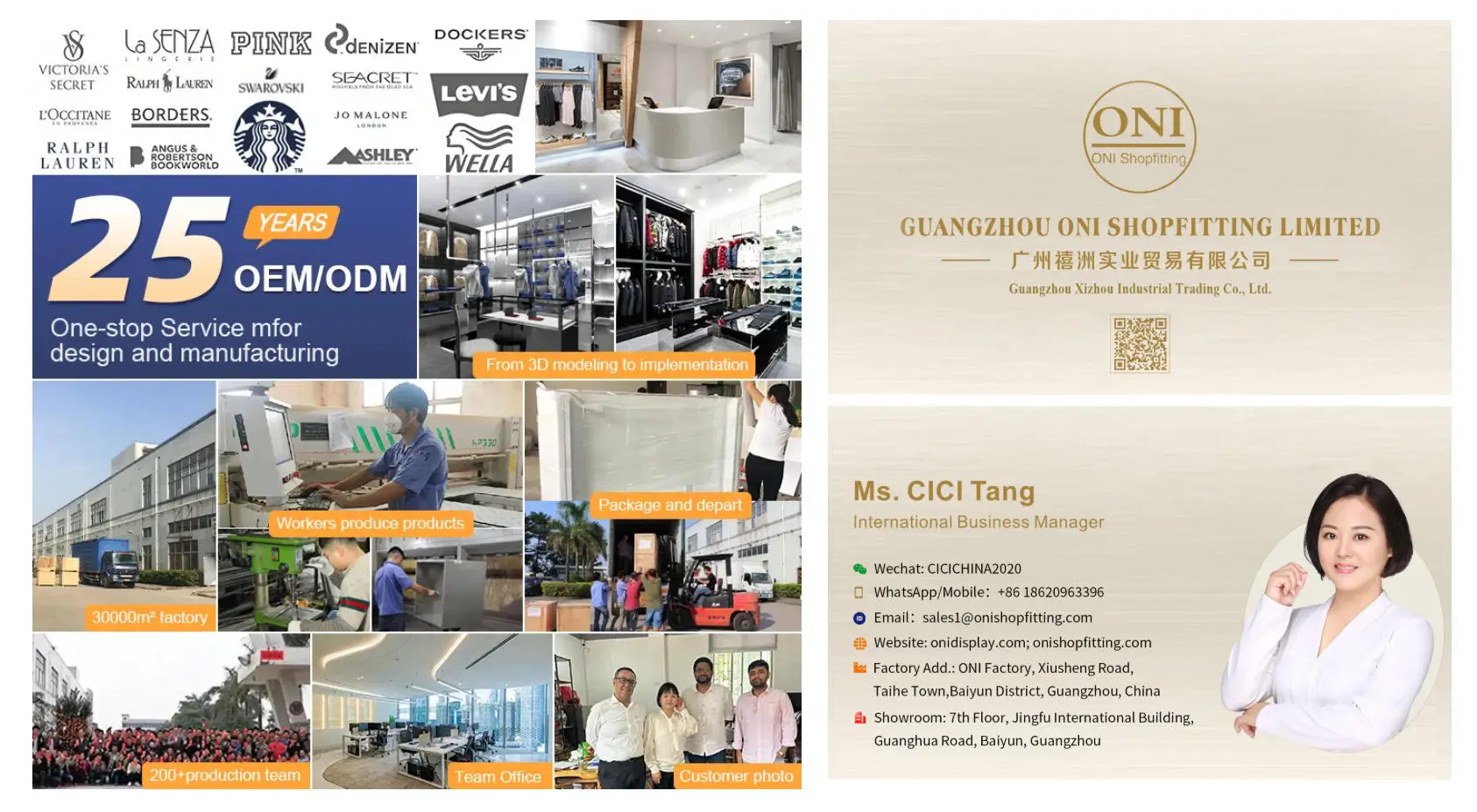
Custom retail fixtures are an essential part of modern store design. They are not only used to display products but also influence brand image, customer experience, and purchasing decisions. The materials selected for retail fixtures directly affect appearance, durability, maintenance requirements, and overall project value.
Different retail environments require different material solutions. Luxury brands may focus on premium finishes and product presentation, while chain retailers may prioritize durability, consistency, and cost efficiency. Selecting the right material helps retailers create displays that match their brand identity while meeting practical requirements.
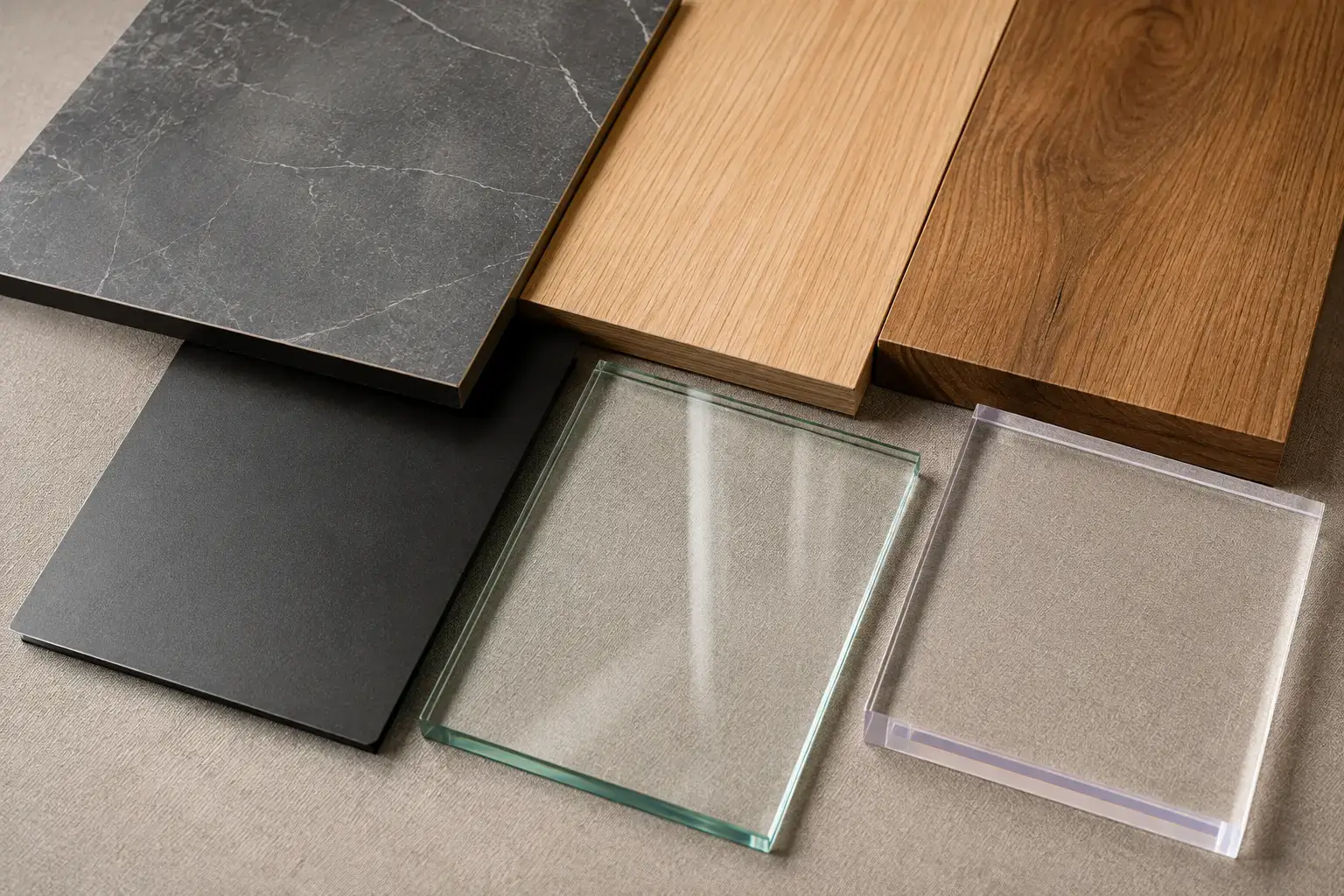
The most commonly used materials for custom retail fixtures include HPL, LPL, wood, metal, glass, and acrylic. Each material offers unique advantages and is suitable for different applications. This guide compares their features and explains how to choose the best option for your retail project.
Quick Overview: Best Materials for Custom Retail Fixtures
The best retail fixture material depends on the store environment, product category, brand positioning, and expected lifespan. Some materials focus on durability, some improve product presentation, while others provide cost-effective solutions for large-scale projects.
Material
Overview
Key Advantages
Best Applications
HPL (High Pressure Laminate)
A durable decorative surface material designed for high-use retail environments where appearance and performance are both important.
Scratch-resistant, impact-resistant, easy maintenance, premium finishes, long service life.
A lightweight transparent material suitable for creative and customized displays.
Flexible design options, lightweight, easy processing, modern appearance.
Cosmetics, accessories, promotional displays, small product showcases.
How We Evaluate Retail Fixture Materials
Choosing the right material requires evaluating more than appearance. A successful retail fixture must provide the right balance between design, performance, and cost.
The main factors used to evaluate retail fixture materials include:
Durability: Resistance to daily use, customer interaction, scratches, and cleaning.
Appearance: Ability to support the desired brand image and store atmosphere.
Customization: Flexibility in shapes, finishes, colors, and designs.
Maintenance: Ease of cleaning and long-term care.
Cost Efficiency: Balance between initial investment and product lifespan.
In many retail projects, the best solution is not a single material but a combination of materials. For example, luxury stores often combine wood, glass, and metal, while large retail chains may combine LPL panels with metal structures to achieve efficiency and consistency.
1. HPL (High Pressure Laminate): Best Overall Material for Durable Retail Fixtures
HPL, or High Pressure Laminate, is one of the most widely used materials in custom retail fixture manufacturing. It is produced by compressing multiple layers of decorative paper and kraft paper under high pressure and temperature, creating a strong surface material with excellent durability.
HPL performs well in high-traffic environments because it resists scratches, impact, and daily wear. It also offers a wide range of finishes, including wood grain, marble, stone, and solid colors, allowing brands to achieve customized store designs without sacrificing performance.
Because of its durability and appearance, HPL is commonly used for areas that receive frequent customer interaction.
Common applications include:
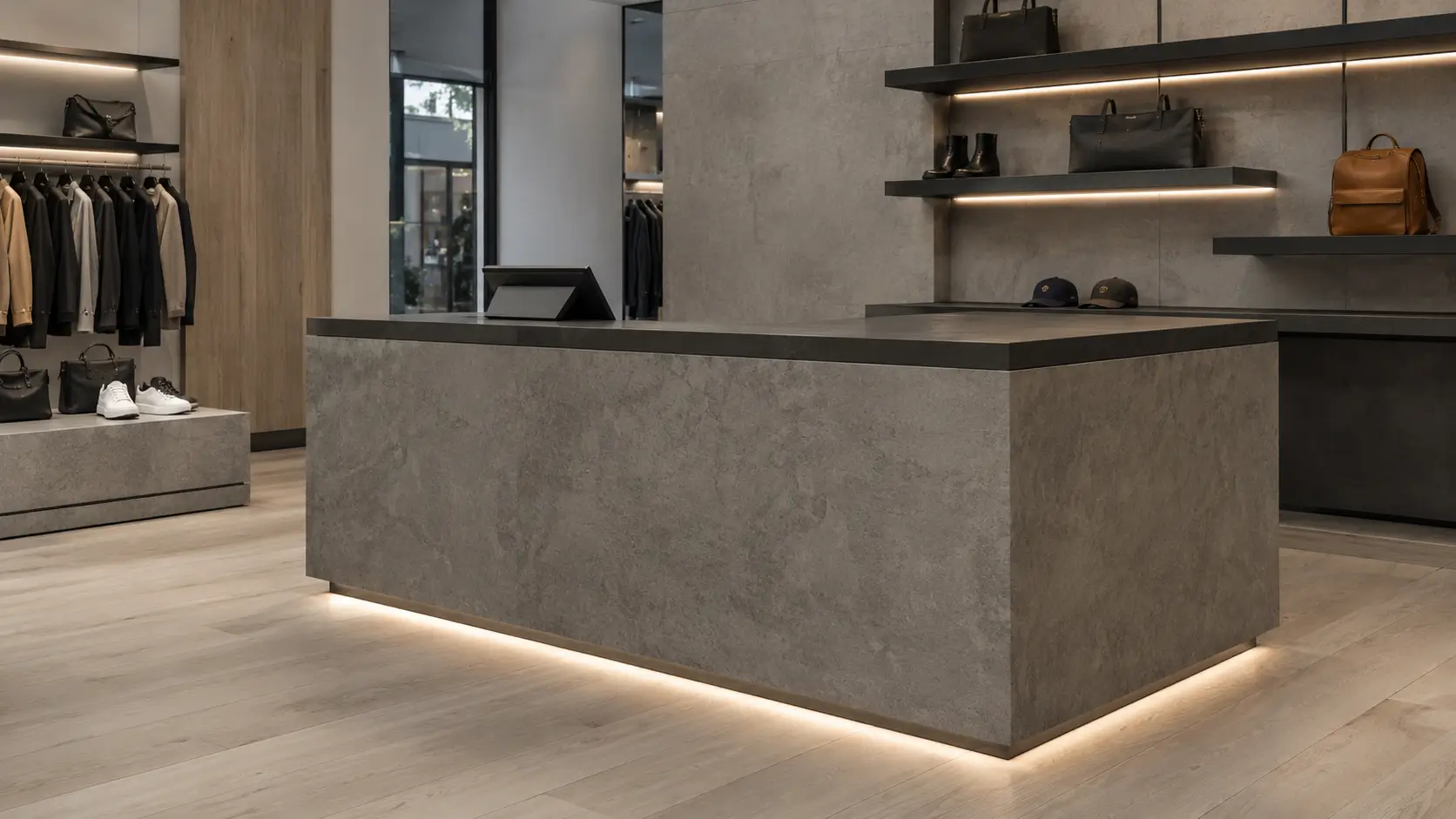
Retail counters
Display cabinets
Checkout desks
Wall panels
Branded fixtures
The main limitation of HPL is its higher cost compared with standard laminate materials such as LPL. However, for brands looking for long-lasting fixtures with premium finishes, HPL remains one of the best choices.
Best for: premium retail stores, branded fixtures, high-traffic environments, and long-term installations.
2. LPL (Low Pressure Laminate): Best Cost-Effective Solution for Large Retail Projects
LPL, or Low Pressure Laminate, is a practical material choice for retailers that require attractive finishes while maintaining cost efficiency. It is widely used in large-scale retail projects where consistent appearance and production efficiency are important.
Compared with HPL, LPL provides a more economical solution with slightly lower durability. However, it performs well in many commercial environments and allows brands to achieve consistent store designs across multiple locations.
Common applications include:
Retail shelving
Standard display units
Commercial fixtures
Large store rollout projects
For chain retailers and projects with large quantities, LPL provides an excellent balance between appearance, production efficiency, and budget control.
Best for: chain stores, commercial retail projects, and cost-sensitive applications.
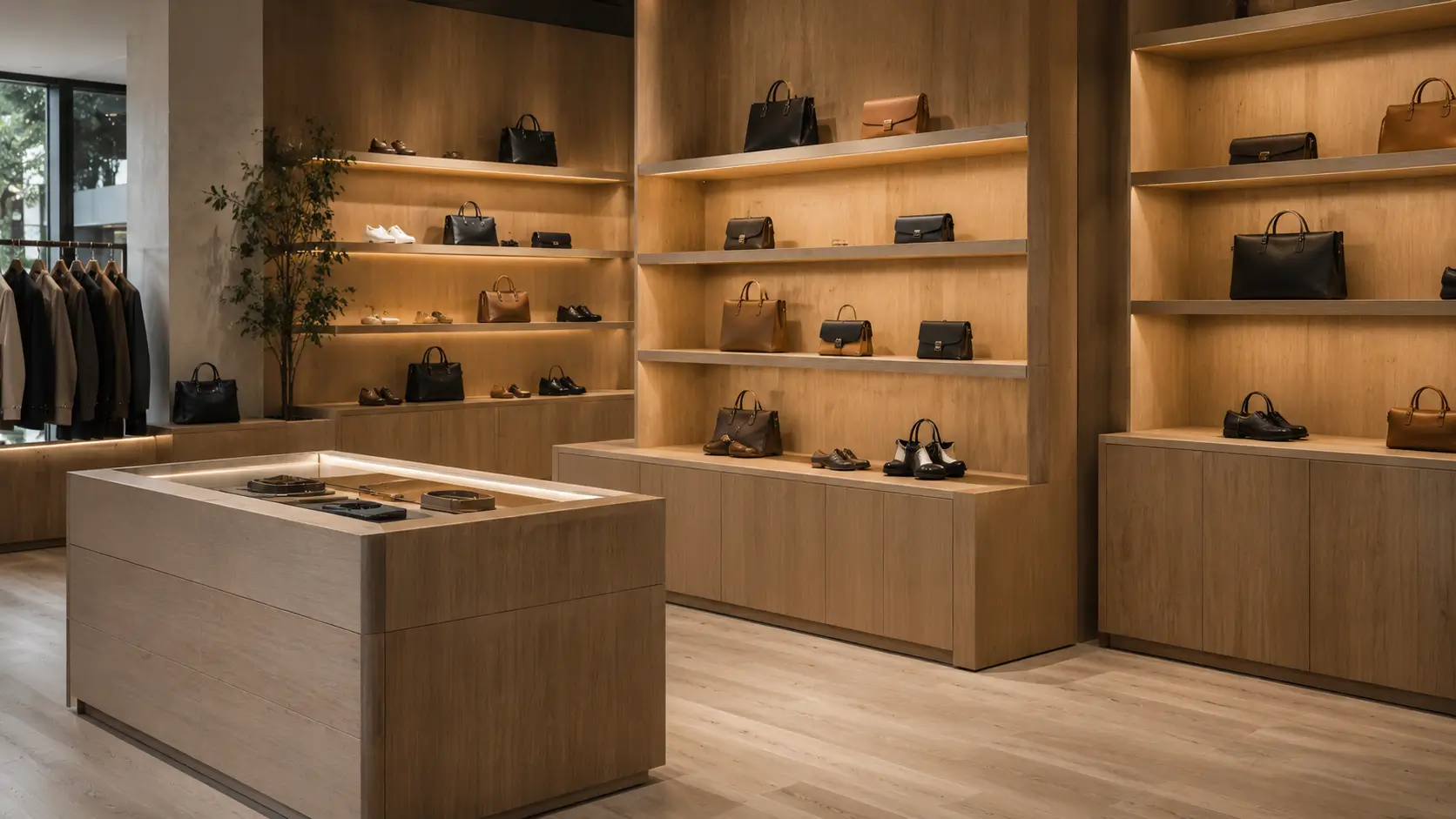
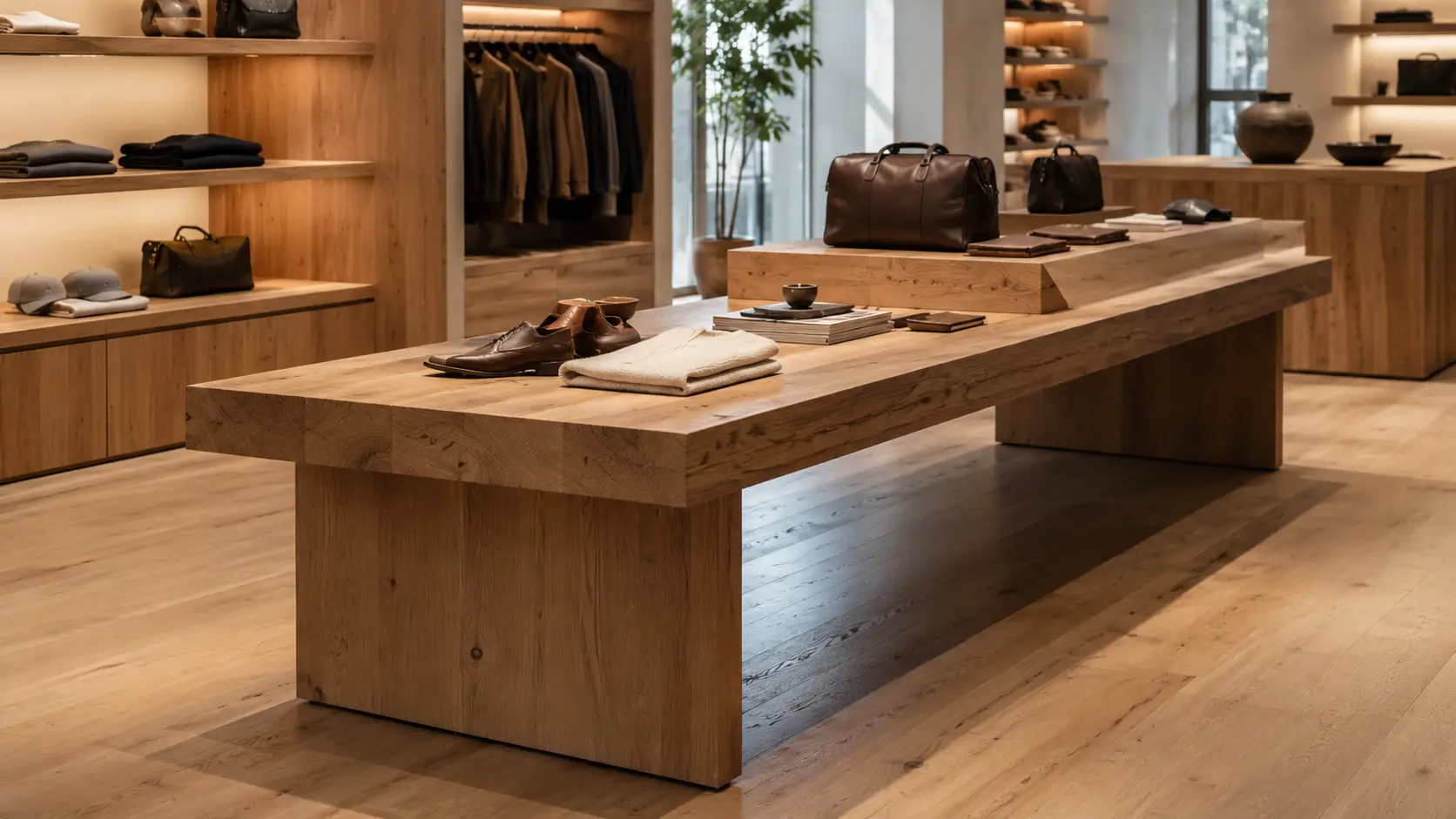
3. Wood Retail Fixtures: Best for Premium and Natural Store Designs
Wood remains one of the most popular materials in retail design because it creates warmth, craftsmanship, and a premium shopping atmosphere. It helps brands build a more emotional connection with customers through natural textures and high-quality finishes.
Modern retail fixtures commonly use MDF, plywood, veneer, and solid wood depending on design requirements. Wood can be painted, veneered, CNC processed, or combined with other materials to create customized store interiors.
Common applications include:
Fashion displays
Boutique interiors
Luxury retail fixtures
Lifestyle stores
The main advantage of wood is its design flexibility. It allows retailers to create unique environments that reflect brand personality. However, wood requires proper finishing and protection, especially in humid environments or high-use areas.
Best for: premium brands, boutique stores, fashion retail, and natural retail concepts.
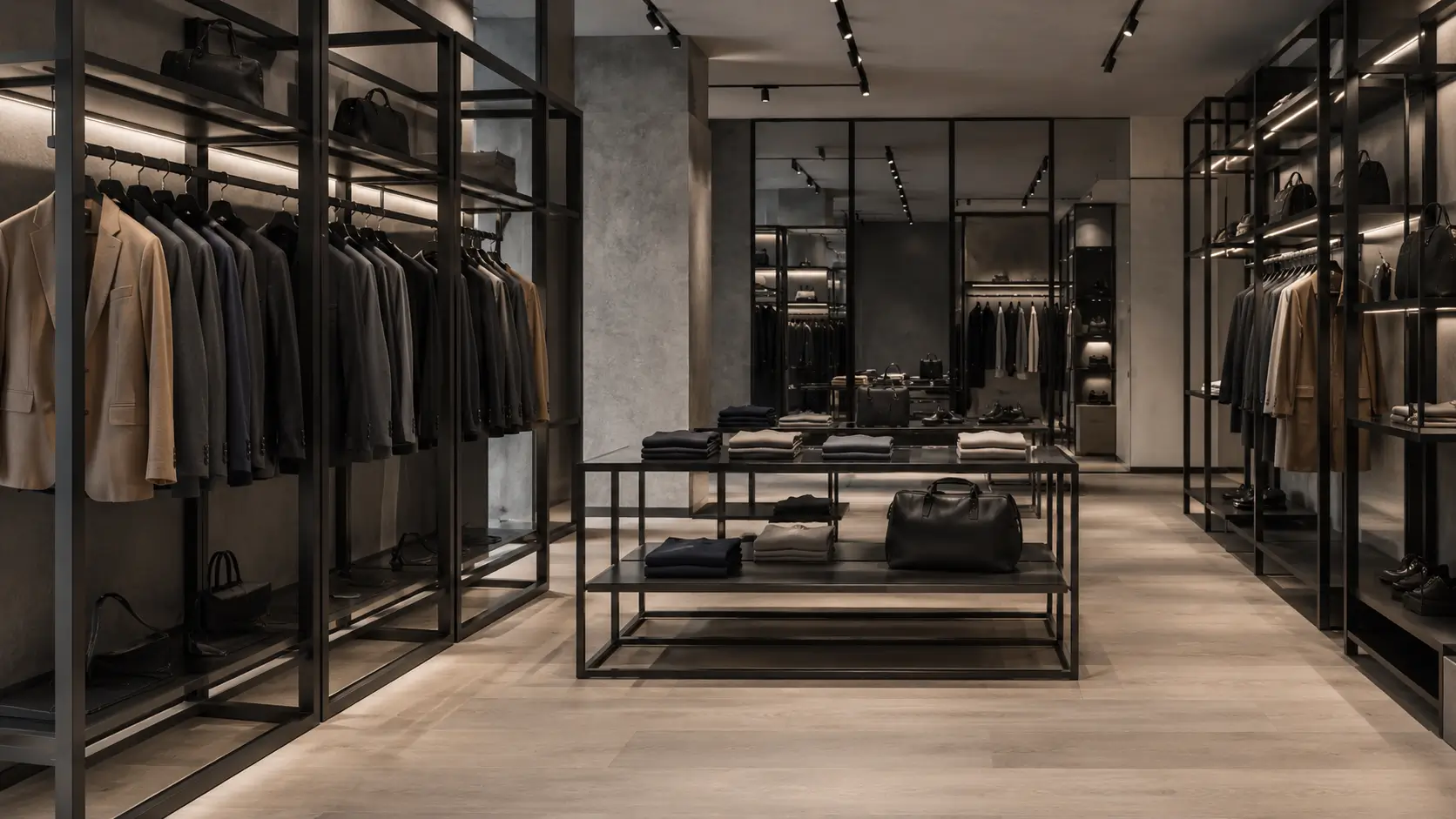
4. Metal Retail Fixtures: Best for Strength and Modern Designs
Metal is widely used in retail fixtures because of its strength, durability, and modern appearance. Common materials include steel, stainless steel, and aluminum.
Metal provides strong structural support for shelves, racks, and display systems. It is especially suitable for products that require reliable load-bearing performance and long-term use.
Metal is also highly compatible with other materials. Combining metal with wood, glass, or acrylic allows designers to create retail fixtures that are both functional and visually attractive.
Common applications include:
Clothing racks
Shelving systems
Display frames
Modular fixtures
Best for: modern retail spaces, heavy-duty displays, fashion stores, and long-term installations.
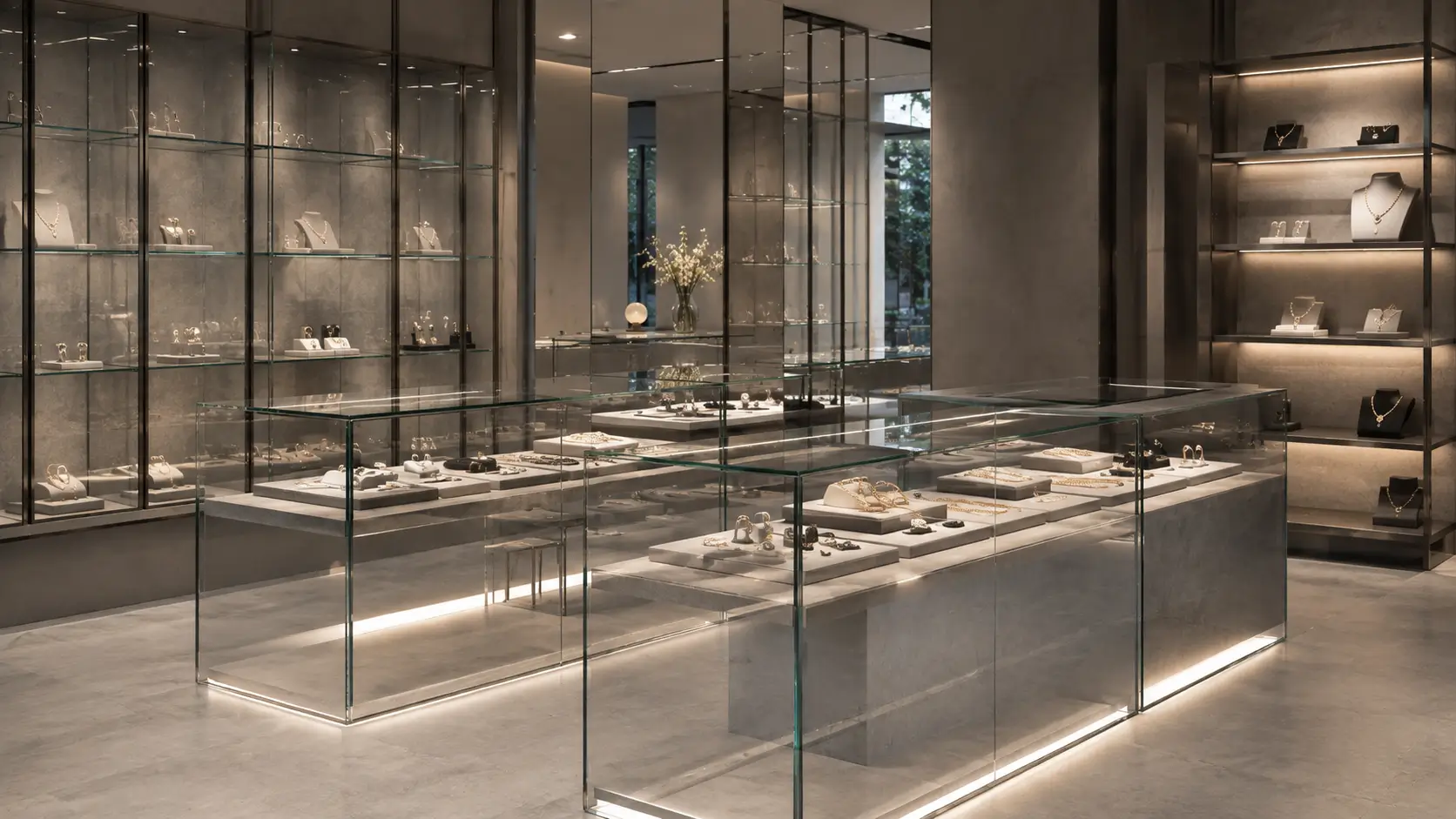
5. Glass Retail Displays: Best for Luxury Product Presentation
Glass is one of the most important materials for premium retail displays because it provides maximum product visibility while creating an elegant shopping experience.
It is widely used in industries where product presentation is critical, including jewelry, watches, cosmetics, and luxury goods. Glass displays can be combined with metal frames, lighting systems, and premium finishes to create sophisticated retail environments.
Although glass requires careful handling and professional processing, it remains one of the best materials for brands that want to highlight product value and create a premium customer experience.
Best for: luxury retail, jewelry stores, watch brands, and high-value products.
6. Acrylic Retail Displays: Best for Creative and Lightweight Designs
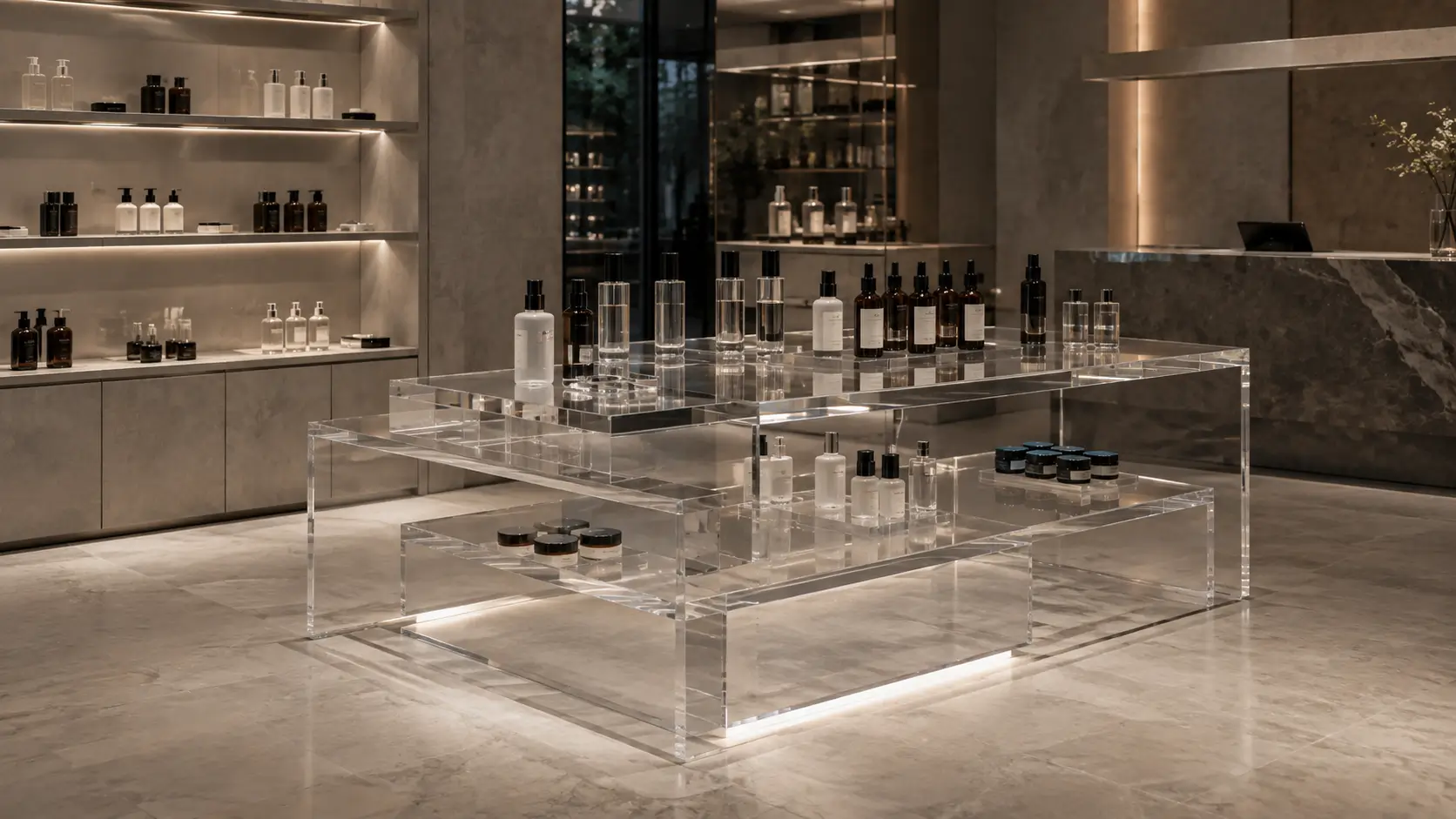
Acrylic is a lightweight transparent material that provides excellent flexibility for customized retail displays. Compared with glass, acrylic is easier to process, transport, and install.
It can be laser-cut, shaped, polished, and produced in different colors and finishes, making it popular for creative product presentations and promotional displays.
Common applications include:
Cosmetic displays
Promotional stands
Product holders
Accessories showcases
Acrylic is not as scratch-resistant as glass and is generally better suited for decorative and product presentation purposes rather than heavy structural applications.
Best for: cosmetics, accessories, promotional displays, and creative retail solutions.
How to Choose the Best Material for Custom Retail Fixtures?
Choosing the right material depends on four key factors: brand image, product requirements, durability, and budget. The best solution is usually a combination of different materials rather than a single option.
Consider Brand Image
Different materials create different visual impressions:
Wood creates warmth and premium craftsmanship.
Glass enhances luxury and product visibility.
Metal provides a modern and durable appearance.
Acrylic supports creative and flexible designs.
HPL offers refined finishes with long-lasting performance.
Consider Product and Display Requirements
Material selection should match the products being displayed:
Jewelry and watches: Glass + Metal
Cosmetics: Acrylic + Glass
Fashion products: Wood + Metal
Electronics: Metal + Glass
Consider Durability and Budget
High-traffic stores usually require durable materials such as HPL and metal, while premium displays may combine glass, wood, and acrylic to achieve a better visual effect. A professional retail fixture manufacturer can recommend the right material combination based on project goals, store environment, and long-term usage needs.
Choose ONI-Shopfitting Start Your Custom Retail Fixtures Project
Choosing the right materials is only one part of building high-quality retail fixtures. Successful projects also depend on thoughtful design, reliable engineering, consistent manufacturing, and efficient project management from concept to delivery.
ONI-Shopfitting provides complete custom retail fixture solutions, covering design development, material selection, production, quality control, and logistics. With experience in HPL, LPL, wood, metal, glass, acrylic, and other materials, ONI can recommend suitable solutions based on design goals, durability requirements, budget, and production needs.
Through flexible customization and manufacturing capabilities, ONI helps brands create retail environments that combine strong visual identity, effective product presentation, long-term durability, and production efficiency. We support a wide range of industries, store formats, and retail concepts, turning design ideas into practical, high-quality fixture solutions.
In Conclusion
Choosing the right material is a key step in creating successful custom retail fixtures. HPL provides durability and premium finishes, LPL offers cost-effective solutions, wood creates warmth and luxury, metal delivers strength and modern style, glass improves product visibility, and acrylic enables creative display designs. The best retail fixture solutions usually combine multiple materials to achieve the right balance between appearance, performance, and cost.
Frequently Asked Questions About Retail Fixture Materials
What is the best material for custom retail fixtures?
There is no single best material for every project. The ideal choice depends on the product type, store environment, brand positioning, budget, and expected lifespan. Many professional retail projects combine multiple materials to achieve the best results.
Is HPL better than LPL for retail fixtures?
HPL provides higher durability, better scratch resistance, and more premium finishes, while LPL is a more cost-effective option for large-scale retail projects.
Can different materials be combined in one retail fixture?
Yes. Professional retail fixtures often combine different materials, such as wood, metal, glass, acrylic, and laminates, to achieve better design, durability, and functionality.
How does ONI-Shopfitting help select retail fixture materials?
ONI-Shopfitting evaluates each project based on brand requirements, product characteristics, store environment, budget, and manufacturing feasibility to recommend suitable material solutions.
 Get in touch with us today to start your project.
 WhatsApp/Call: +86 186 2096 3396
 Email: sales1@onishopfitting.com
 Website: www.onishopfitting.com
 Factory Location: Guangzhou, China
 Check out our social media case studies:Guangzhou ONI Shopfitting Limited