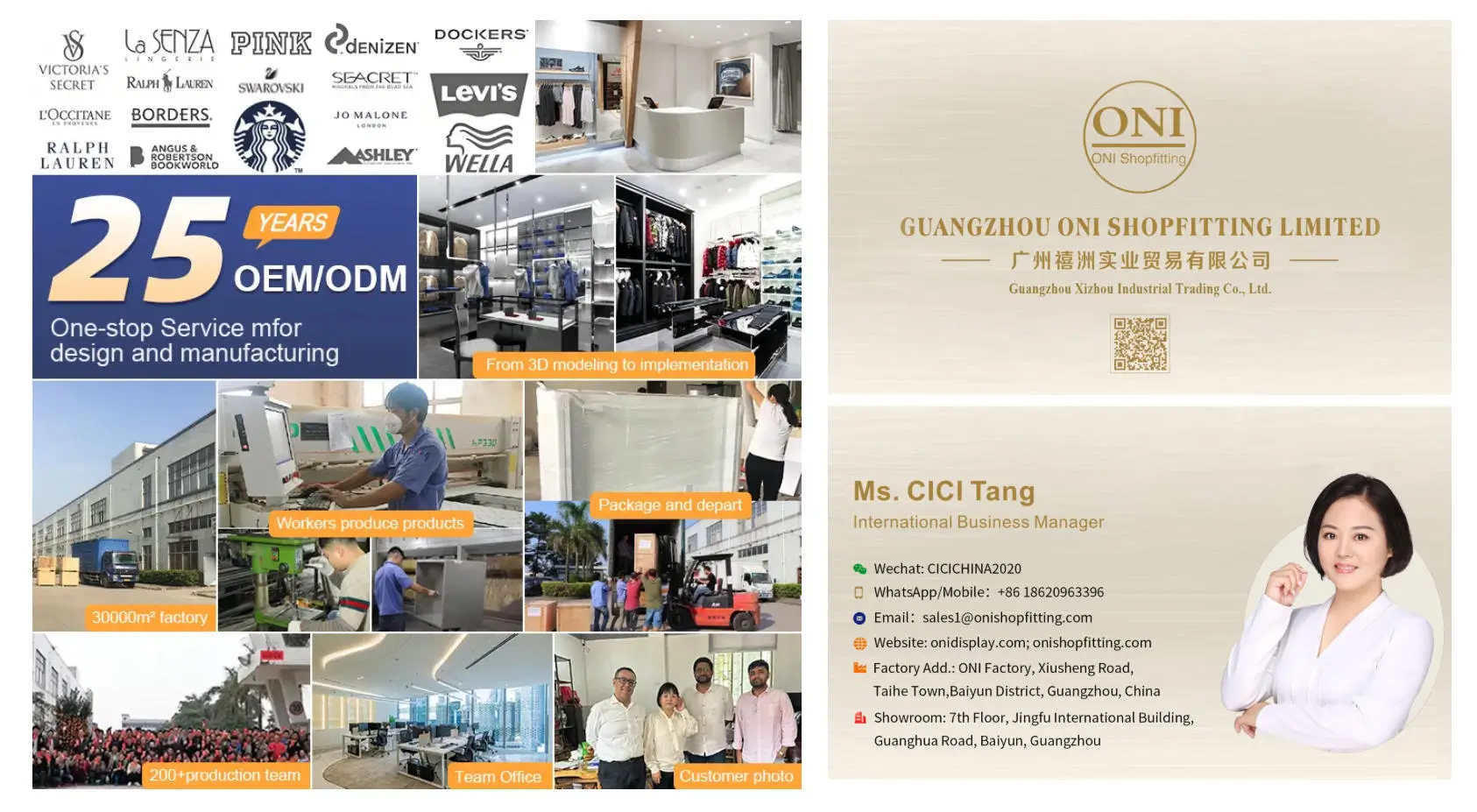
Opening one retail store requires careful planning, but launching multiple locations adds significant complexity. Varying store sizes, inconsistent fixture specifications, supplier coordination and tight opening schedules can push up costs and trigger delays. Without a clear retail store rollout strategy, maintaining unified brand standards across sites becomes difficult.
In this article, we break down the core challenges of multi-store rollouts, walk you through a proven 5-stage planning framework, and explain how to select the right custom store fixtures factory and custom store fixtures manufacturer to deliver consistent chain store rollouts.
What Is a Retail Store Rollout?
Retail rollout describes the full process of launching multiple brand-aligned retail locations, either sequentially or in batches. It covers concept finalisation, site-specific space planning, fixture manufacturing, global logistics, delivery and installation guidance.
Many brands fall into the trap of treating every new location as a fully independent custom-build project. While every rental property comes with unique floor constraints, a well-executed rollout strikes a careful balance between local adaptability and unified brand identity. Quality custom store fixtures become the structural backbone of this system, ensuring shoppers experience the same brand feel, regardless of which location they visit. This scalable approach works effectively for jewellery boutiques, cosmetic stores, pet retail shops, fashion chains, optical shops and fragrance retail brands served by ONI Shopfitting.
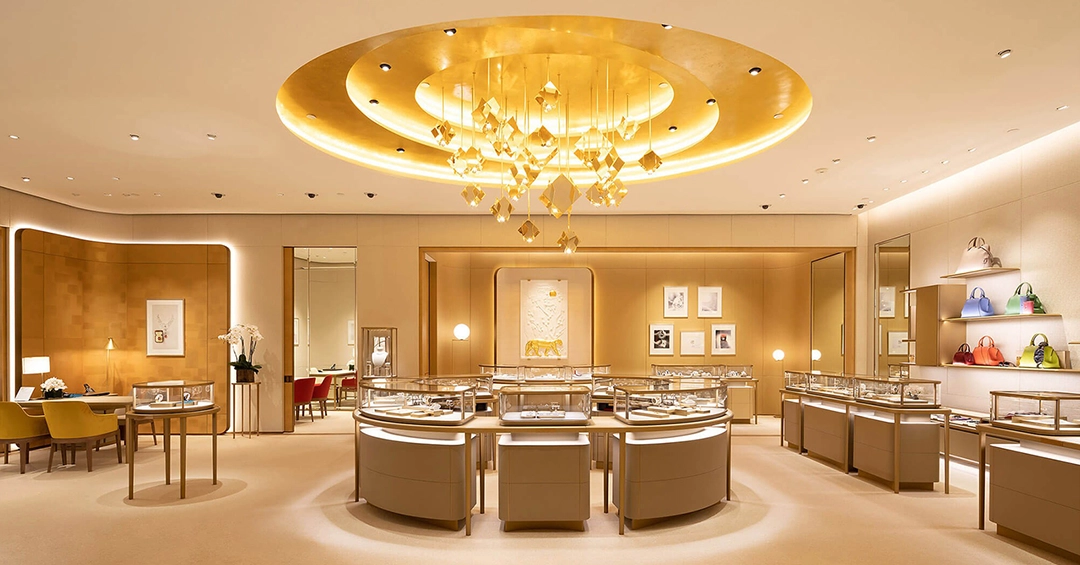
Key Challenges in Multi-Store Retail Rollout Projects
Managing multiple retail locations is far more complex than delivering a single store project. Differences in fixture specifications, production schedules and site dimensions can quickly disrupt an entire rollout programme.
Understanding these challenges and planning practical solutions in advance helps retailers maintain brand consistency, control costs and deliver projects on schedule.
1. Maintaining Consistent Brand Identity
Retail brands need a uniform visual presentation across every location. Fixture styles, material selections, colour palettes, surface finishes and merchandising layouts all influence how customers perceive the brand. However, differences in store sizes and architectural features can make an identical layout impossible to replicate across every site.
Solution: Work with a trusted custom store fixtures factory to develop standardised custom chain store fixtures. Establishing clear brand standards preserves a consistent visual identity while allowing controlled adjustments to fixture dimensions and configurations for individual locations.
2. Managing Different Store Sizes and Layouts
No two retail premises have exactly the same floor area, ceiling height, entrance position or structural features. A fixture layout designed for a spacious flagship store may not work efficiently in a compact shopping mall unit.
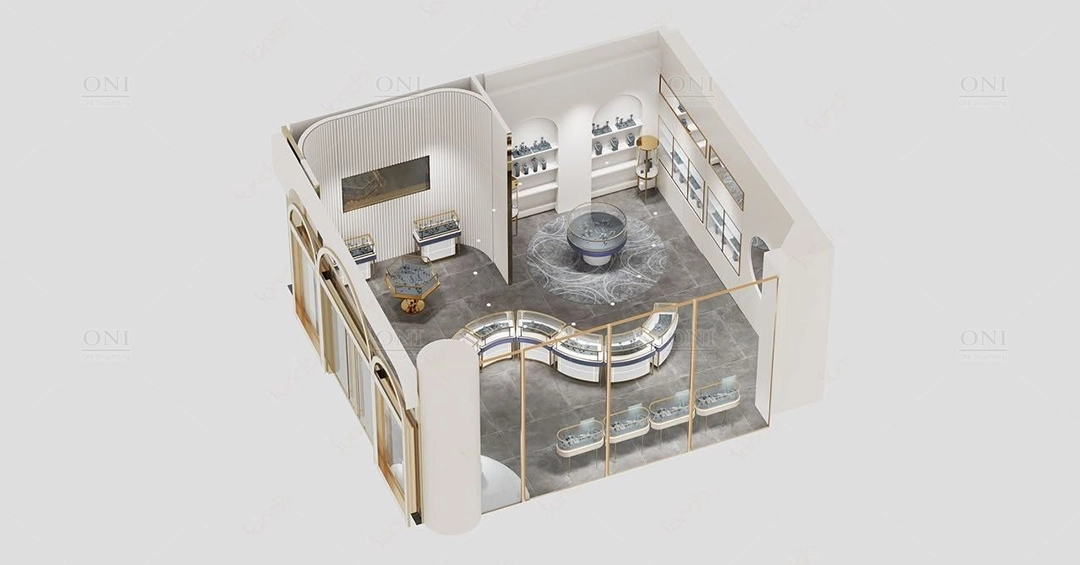
Solution: Adopt modular custom store fixtures that can be rearranged to suit different floor plans. Interchangeable display modules, shelving systems and counters allow retailers to adapt individual store layouts while maintaining a consistent brand design, without starting from scratch for every location.
3. Coordinating Production and Delivery Schedules
Multi-store rollout projects often involve staggered opening dates, different construction schedules and deliveries to multiple destinations. Delays in fixture manufacturing or international transportation can disrupt installation and push back planned store openings.
Solution: Work with your custom store fixtures manufacturer to establish a coordinated production schedule, formal approval procedures and phased delivery plans. Align manufacturing and shipping milestones with each store’s construction progress and opening date to reduce scheduling conflicts.
4. Controlling Costs Across Multiple Locations
Material substitutions, dimension changes and inconsistent manufacturing specifications can significantly increase costs when repeated across multiple stores. Frequent design revisions may also create additional sampling, production and international shipping expenses.
Solution: Standardise commonly used custom chain store fixtures, confirm materials and finishes early, and consolidate manufacturing orders with your custom store fixtures factory. This approach reduces duplicated sampling and production work while helping maintain better control over the overall project budget.
5. Managing Multiple Suppliers and Project Teams
Retail rollout projects typically involve interior designers, a custom store fixtures manufacturer, local contractors, international logistics providers and installation teams. Miscommunication or conflicting specifications between stakeholders can lead to production errors, rework and costly delays.
Solution: Prepare detailed technical production drawings and a central design guideline that documents approved materials, dimensions, finishes and fixture specifications. Establish formal sign-off procedures and clearly define each team’s responsibilities to maintain consistent communication throughout the project lifecycle.
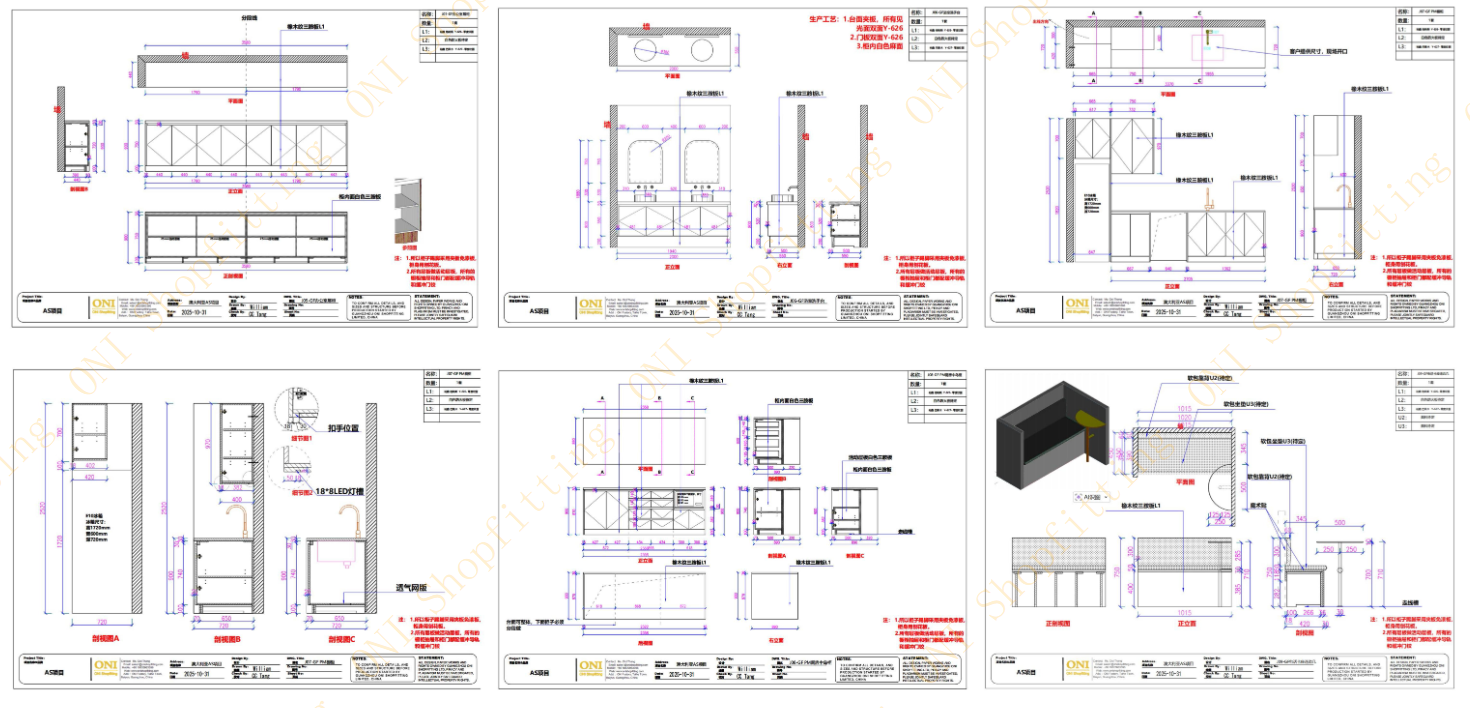
6 Stages of Multi-Store Rollout Planning
Multi-store retail rollout projects involve several interconnected stages, from store design and fixture manufacturing to quality control, logistics and installation. A well-structured process helps retailers maintain consistent brand standards, reduce repeated work and keep projects on schedule.
The following six stages outline the key steps involved in planning and delivering a successful multi-store rollout.
1. Establish Consistent Store Design Standards
Before starting a rollout project, retailers should define their overall store design requirements, including layouts, display fixture types, materials, colours, lighting and surface finishes. Approved drawings and fixture specifications should be documented to ensure consistency across locations.
While maintaining a unified brand appearance, fixture dimensions, quantities and arrangements can be adjusted to accommodate different store sizes and layouts. This approach reduces unnecessary design revisions and simplifies planning for future locations.
2. Site Survey & Adapt Layout for Individual Units
Every rental retail site has unique characteristics: ceiling heights, structural columns, entry points, electrical set-ups and back-of-house storage capacity will differ. Once your master concept receives final approval, complete detailed site surveys for each location and adjust fixture arrangements accordingly.
Your custom store fixtures manufacturer should review site floor-plans early to flag potential risks: weight-bearing limits for heavy display showcases, LED power requirements, minimum aisle width and checkout zone positioning. Spotting these challenges before mass-production commences prevents costly fixture redesigns.
3. Standardize Custom Fixtures for Scalable Production
For retail brands opening multiple locations, commonly used fixtures such as wall display cabinets, shelving units, checkout counters, glass showcases and display plinths can be developed as standardized modules. These fixtures can share consistent structures, materials and finishes while allowing adjustments to dimensions and configurations for different stores. For example, a wall display cabinet can maintain the same design while using different numbers of modules to fit various wall lengths.
During batch production, material purchasing, manufacturing schedules and production processes can be coordinated across multiple locations. Producing fixtures with shared specifications reduces repeated sampling and setup work, improves manufacturing efficiency and can lower unit costs. It also helps maintain consistent quality between production batches and simplifies fixture replenishment and phased deliveries.

4. Conduct Quality Inspections Before Shipment
Once manufacturing is complete, all fixtures should undergo quality inspections before packaging and shipment. These checks help ensure that finished products meet approved drawings, material specifications and manufacturing requirements, reducing the risk of defects reaching installation sites.
Key inspection areas include:
Dimensions and Structure: Verify fixture dimensions, structural stability and assembly accuracy.
Materials and Finishes: Check material specifications, colours and surface finishes against approved requirements.
Appearance: Inspect for scratches, colour differences, dents and other visible defects.
Lighting and Electrical Components: Test LED lighting and related electrical components for proper operation.
Hardware and Functionality: Check doors, drawers, locks and other fittings for correct installation and smooth operation.
For complex fixtures, pre-assembly inspections can also be carried out at the factory to identify potential installation issues. Once the products pass inspection, they can proceed to packaging and shipment.
5. Plan Packaging, Logistics and Phased Deliveries
Retail display fixtures often combine wood, metal, glass and lighting components, each requiring appropriate protection during transportation. Glass showcases need reinforced protective packaging, while larger fixtures may be packed in separate components. International shipments may also require wooden crates and careful container-loading arrangements.
For multi-store projects, deliveries can be scheduled in phases based on each location’s renovation progress and planned opening date. Preparing detailed packing lists, product labels and assembly instructions in advance helps local teams identify, check and install fixtures more efficiently.
6. Provide Installation Support and Conduct Final Inspections
Once the fixtures arrive on-site, installation teams should assemble them according to approved technical drawings and installation instructions. For overseas projects, manufacturers can provide assembly guides, instructional videos and remote technical support to assist local contractors.
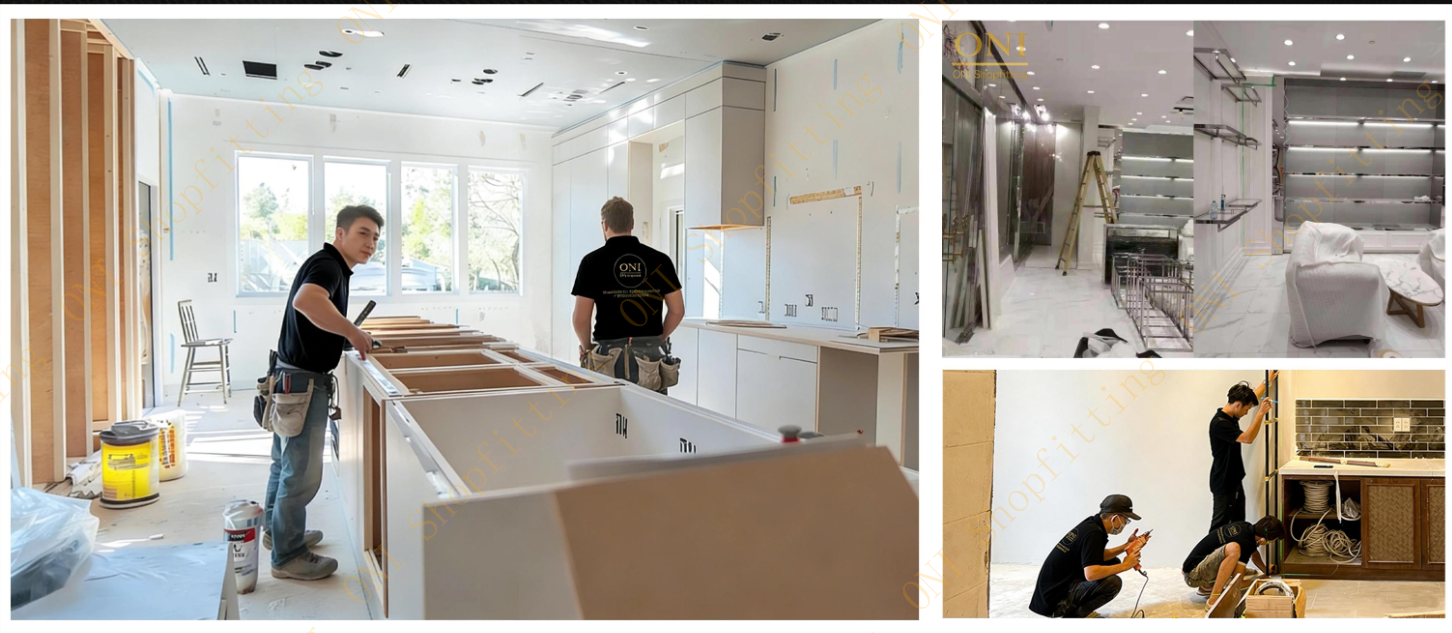
After installation, final inspections should confirm fixture stability, lighting functionality, hardware operation and positioning against the approved store layout. Applying consistent acceptance standards across locations helps maintain installation quality and ensures that each store achieves the intended appearance and functionality.
Choosing the Right Fixture Partner for Your Multi-Store Project
A capable rollout partner delivers far more than just manufacturing cabinets. They support your project end-to-end, starting from master layout development all the way to final store opening. A trusted custom store fixtures factory can review your site floor-plans, adjust modular fixture configurations, produce large consistent batches of custom chain store fixtures, prepare full export documentation and supply installation resources for your global rollout.
Whether your roadmap includes opening five domestic stores or scaling to dozens of international retail outlets, the correct workflow keeps your rollout on-schedule and within budget. You retain full oversight of brand standards while accessing factory-direct pricing for repeated fixture production runs. With large-scale production facilities and years of global shop-fitting expertise, ONI Shopfitting has delivered thousands of custom store fixtures for retail chains spanning jewellery, beauty, fashion, pet retail and more across the world.
In Conclusion
A successful rollout is not simply copying the same store design. It depends on standardized layouts, adaptable fixtures, coordinated manufacturing and reliable project management. Whether you expand a retail chain, launch franchise outlets or refresh existing locations, thoughtful planning and shopfitting solutions protect brand consistency, boost project efficiency and drive sustainable growth.
Ready to Start Your Retail Rollout Project?
If you are planning your upcoming retail rollout and need expert support with fixture standardisation, modular layout planning or bulk production of custom store fixtures, share your rollout timeline and store concept with ONI Shopfitting. Our team can develop a tailored fixture package built for your chain-store expansion goals.
👉 Get in touch with us today to start your project.
📞 WhatsApp/Call: +86 186 2096 3396
📧 Email: sales1@onishopfitting.com
📍 Factory Location: Guangzhou, China