Luxury perfume retail depends on more than the fragrances on display. The quality of the store fixtures, materials, lighting, finishes, and overall presentation directly influences how customers perceive the brand.
A professional custom perfume store fixtures factory should be able to design and manufacture perfume display cabinets, tester counters, wall displays, island showcases, storage units, cashier counters, and complete branded retail systems. Its capabilities should cover design development, engineering drawings, material selection, lighting integration, prototyping, mass production, quality inspection, export packaging, delivery, and installation support.
Before selecting a manufacturing partner, perfume brands and retailers should evaluate several key factors that affect design quality, production reliability, project execution, and long-term cooperation. The following five standards can help you choose the right perfume store fixtures factory for your retail project.
Why Perfume Brands Need a Professional Custom Retail Fixture Factory?
A perfume store is a highly sensitive retail environment. Customers do not only look at products; they touch testers, compare bottle details, smell different fragrances, and spend time near the display area. This means every fixture surface, light reflection, glass edge, drawer movement, and tester position affects the customer’s impression of the brand. If the cabinet feels ordinary, the perfume may also feel less premium.
For fragrance brands, the store fixture is part of the product experience. A luxury perfume bottle can lose its visual value if it is placed under poor lighting, crowded on a low-quality shelf, or surrounded by inconsistent finishes. The cabinet must make the product easier to understand, more attractive to approach, and more comfortable to test. This is why a custom perfume store fixtures factory must understand both manufacturing and retail presentation.
Choosing the wrong factory can create problems that appear late in the project. The design may look good in renderings, but the real cabinet may have color differences, visible wiring, weak glass fixing, uneven lighting, poor packaging, or installation delays. These issues can affect the store opening schedule and reduce the final brand image. A professional factory helps reduce these risks before production begins.
What a Custom Perfume Store Fixtures Factory Should Do?
A custom perfume store fixtures factory should not only make cabinets. It should translate brand design into a complete retail fixture system that can be produced, shipped, installed, and used in daily store operations. This includes reviewing the design, developing technical drawings, selecting suitable materials, testing lighting effects, confirming samples, and managing production quality.
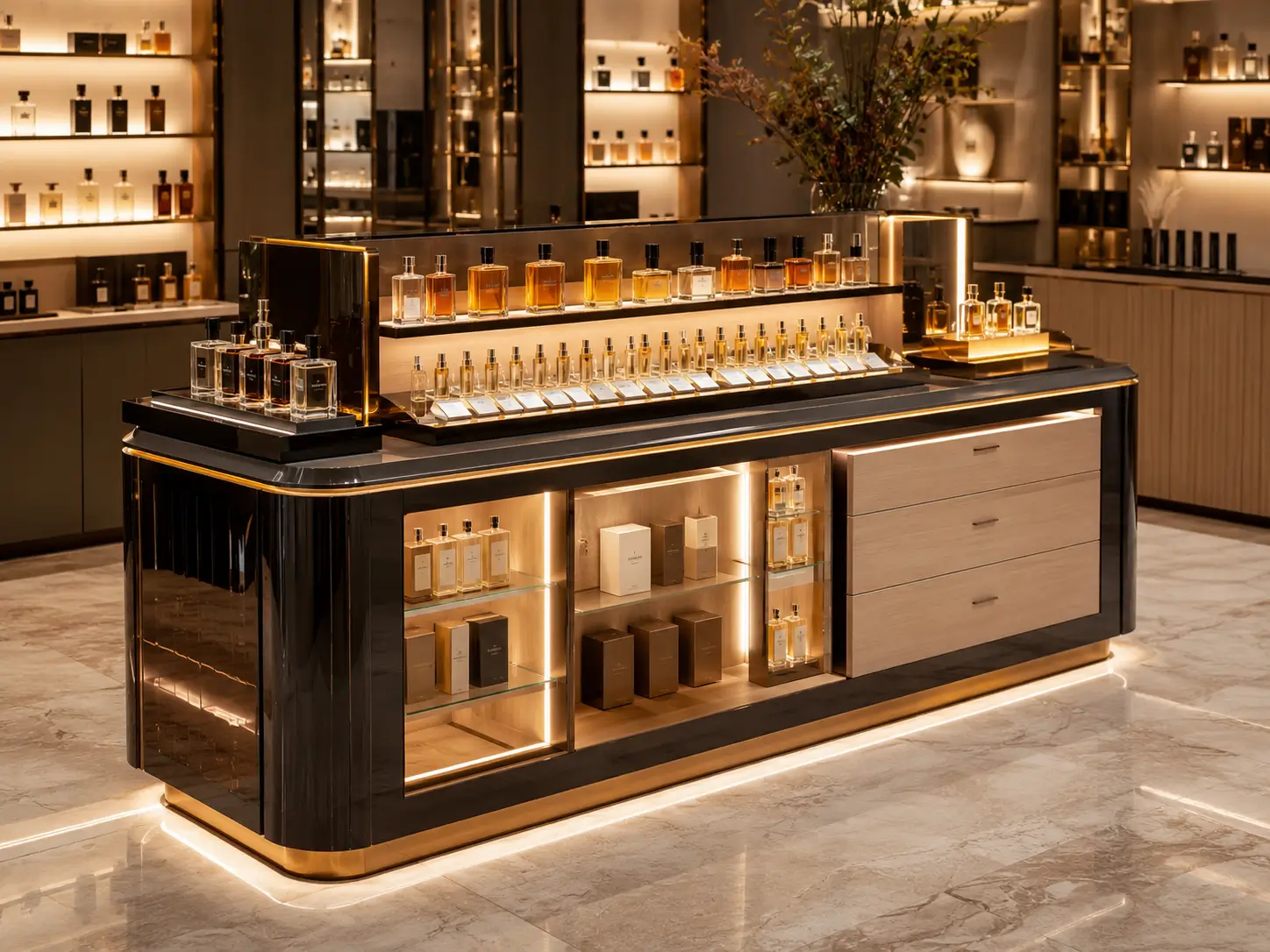
For perfume retail projects, the factory must understand different fixture types. Wall cabinets are often used for brand storytelling and collection display. Glass showcases protect high-value products while keeping bottles visible. Tester counters support customer interaction and sampling. Island displays help attract traffic in open retail spaces. Storage cabinets keep boxed stock, gift packaging, and daily supplies organized behind the selling area.
The factory should also consider how the fixtures work together as one store environment. A perfume boutique may need a warm and intimate atmosphere, while an airport duty-free counter may need stronger durability and faster product access. For fragrance and beauty brands planning customized retail fixtures, ONI Shopfitting’s
custom perfume and cosmetic showcase solutions can help connect display design, materials, lighting, and store operation into one complete retail system.
1. Material and Surface Finish Capability
Material selection is one of the most important parts of perfume fixture manufacturing. Perfume stores often use tempered glass, stainless steel, MDF, plywood, acrylic, mirror panels, high-gloss lacquer, wood veneer, stone-effect panels, leather-like trays, microfiber lining, and LED lighting components. Each material has a different role in the final store experience, so a professional factory must know where to use premium decorative materials and where to use stronger structural materials.
For example, tempered glass protects products while keeping the display open and transparent. Stainless steel trims can create a precise and premium edge. High-gloss lacquer makes the cabinet look bright and polished, while wood veneer creates warmth for niche or artisanal fragrance brands. Mirror panels can increase visual depth, but they must be used carefully because too much reflection may make the display feel busy.
A professional factory should also understand surface durability. Perfume retail fixtures face fingerprints, alcohol mist, cleaning products, lighting heat, and constant customer contact. The most visible areas should use finishes that look refined and are easy to maintain. Structural areas should use materials that are stable, strong, and suitable for long-term use. For brands seeking a refined display reference, a
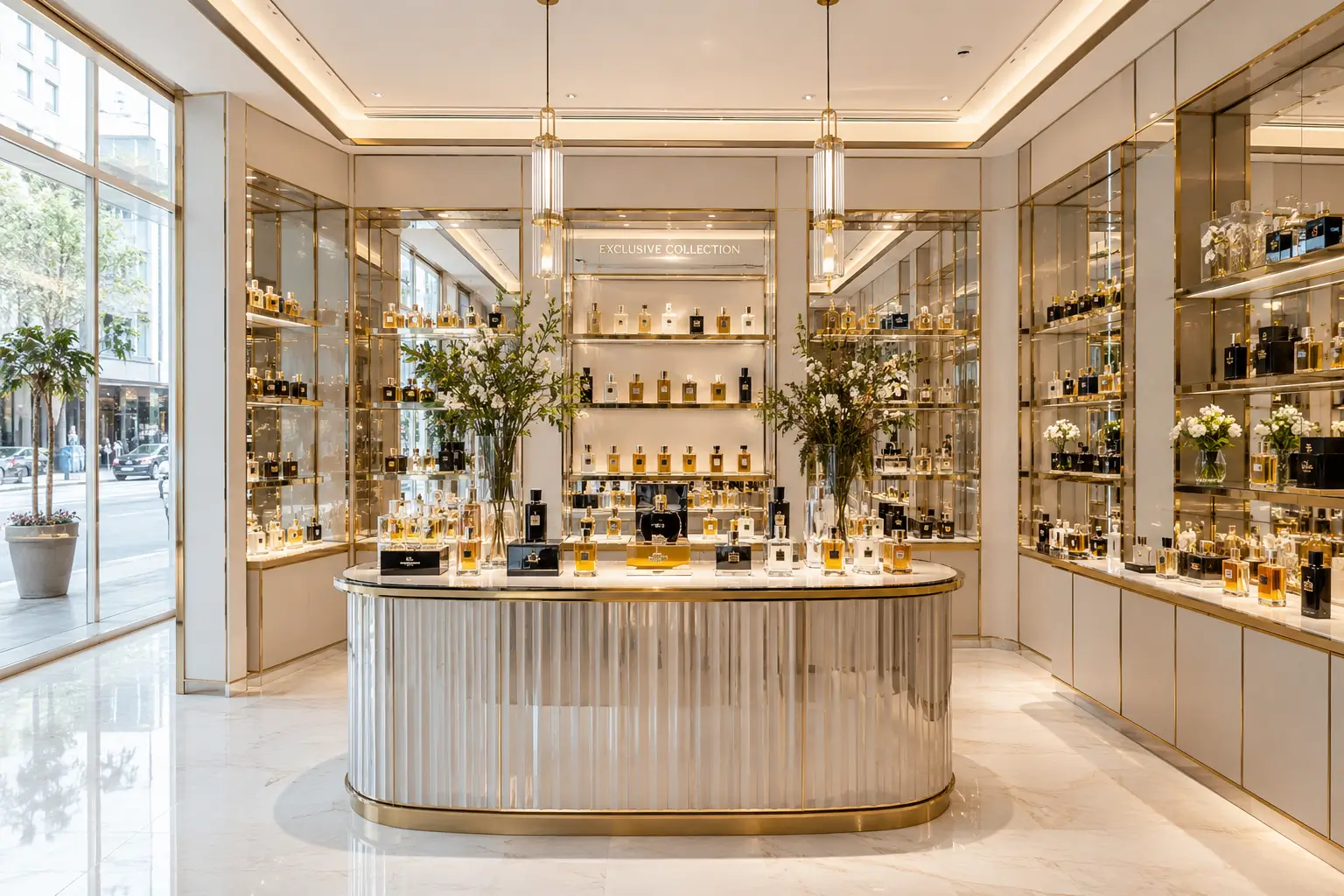
luxury fragrance display cabinet can show how glass, gold accents, white cabinetry, integrated lighting, and product spacing work together.
2. Engineering Development and Shop Drawing Ability
A perfume fixture design cannot move directly from rendering to production. It needs engineering development. This is where the factory converts creative ideas into practical drawings, production details, and installation structures. Without this step, the cabinet may look attractive in concept but become difficult to manufacture, transport, or assemble on site.
Shop drawings should define cabinet size, material thickness, glass fixing, shelf spacing, logo position, lighting channels, cable paths, drawer structures, lock systems, hardware selection, and installation connections. These details allow the brand, designer, contractor, and factory to work from the same technical standard. For international projects, clear drawings also reduce misunderstanding between different teams.
Engineering ability is especially important for perfume fixtures because they often combine several delicate elements: glass, metal, lacquer, lighting, mirror, and storage. The cabinet must look elegant, but it must also be stable. ONI’s
custom retail display solutions help retail brands turn visual concepts into manufacturable display systems for boutiques, department stores, shopping malls, and international store rollouts.
3. Lighting and Fragrance Display Effect
Lighting is a major reason perfume fixtures look expensive or ordinary. Perfume bottles are made from glass, liquid, metallic caps, labels, and transparent packaging. These materials react strongly to light. If the LED position is wrong, the bottle may show glare, dark shadows, or unclear labels. If the lighting is well designed, the bottle can appear brighter, more detailed, and more valuable.
A custom perfume store fixtures factory should know how to integrate lighting into shelves, side panels, back panels, display niches, and tester zones. The lighting should highlight the product without making the cabinet feel harsh. Warm light can create a softer luxury atmosphere, while neutral light may suit modern perfume brands that want a clean and minimal store image.
Lighting should also support merchandising. Hero fragrances may need stronger focus lighting, while full collections may need even and balanced shelf lighting. Tester areas should be bright enough for customers to read product names and packaging details. For more lighting-related ideas in beauty retail environments, retailers can also refer to ONI’s
cosmetic store lighting guide.
4. Sampling and Mass Production Consistency
For perfume brands planning multiple stores, sample quality is only the beginning. The real test is whether the factory can repeat the same finish, color, dimension, lighting effect, and assembly quality in batch production. A beautiful sample is not useful if the final production run looks different from store to store.
A reliable factory should provide sample confirmation before mass production. This can include color boards, metal finish samples, glass samples, lighting tests, logo samples, hardware samples, and a trial cabinet. The brand can review the physical details before approving full production. This reduces the risk of color mismatch, wrong lighting tone, surface defects, or structural problems later.
Mass production consistency requires process control. The factory should manage each stage carefully: material preparation, cutting, surface finishing, metalwork, glass processing, electrical integration, assembly, inspection, and packaging. For chain stores, department store counters, and duty-free rollouts, this consistency helps every location maintain the same brand identity and reduces the risk of expensive rework.
5. Quality Control, Packaging, and Global Delivery
A perfume fixture project can fail even after production if quality control and packaging are weak. Fragrance cabinets often include fragile components such as glass doors, mirror panels, lacquered surfaces, stainless steel trims, LED strips, acrylic shelves, and fine hardware. These parts need careful inspection before shipment and strong protection during transportation.
Quality control should include dimension checks, finish inspection, glass safety review, lighting tests, drawer and door movement checks, logo position inspection, wiring inspection, and trial assembly when necessary. For more complex fixtures, pre-assembly can help identify problems before goods arrive at the store site. As a technical reference, UL Solutions provides information about
retail fixtures and commercial displays safety reference, which is useful when project teams consider safety, electrical components, and fixture performance.
Packaging should be designed around the fixture structure. Glass, corners, polished metal, painted panels, and lighting parts all need different protection methods. Clear labels, packing lists, hardware bags, installation drawings, and store-by-store packaging can help contractors work more efficiently. For overseas projects, these details directly affect installation speed, project control, and the ability to open stores on schedule.
Factory Evaluation Checklist
When comparing perfume store fixture factories, procurement teams should look beyond the product photo. The checklist below helps brands evaluate whether a supplier can support a complete retail project instead of only quoting a cabinet.
Evaluation Area
What to Check
Why It Matters
Materials and Finishes
Glass, metal, lacquer, wood veneer, acrylic, mirror, LED components
Determines luxury appearance, durability, and long-term maintenance performance
Engineering Ability
CAD drawings, shop drawings, structure details, wiring layout
Turns design concepts into manufacturable and installable fixtures
Lighting Integration
LED position, color temperature, glare control, maintenance access
Improves bottle visibility and protects the premium fragrance atmosphere
Sampling Process
Color boards, finish samples, lighting tests, trial assembly
Reduces design, color, structure, and production risk before mass production
Production Control
Cutting, finishing, assembly, inspection, batch consistency
Keeps multiple stores visually consistent and easier to roll out
Packaging and Delivery
Protective packing, labels, installation guide, logistics planning
Reduces damage, site confusion, and installation delays
Project: From Luxury Concept to Rollout-Ready Perfume Counters
A fragrance brand preparing several retail counters may have a design that includes glass shelving, champagne metal trims, mirror back panels, integrated LED lighting, tester trays, and locked storage. The concept looks luxurious, but the first production plan may create practical problems. The glass shelves may be difficult to secure, the lighting may create glare, the mirror panels may make wiring visible, and the storage may not support daily replenishment.
Before mass production, ONI Shopfitting reviews the design from visual, structural, manufacturing, and operational perspectives. The team evaluates how each material is fixed, how the lighting interacts with the products, how cables are concealed, and how staff will access testers, stock, and storage areas. Structural details, metal finishes, drawer layouts, glass supports, and LED positions can then be refined through technical drawings, material samples, and prototype testing.
The purpose of this process is not to simplify or weaken the original design. It is to preserve the intended luxury appearance while making every counter safer, easier to manufacture, more convenient to install, and more practical for long-term retail use. These improvements are especially important for multi-store rollouts, where every unit must maintain consistent quality, dimensions, finishes, and performance.
Project Issue
Factory Action
Improved Result
Uneven cabinet lighting
Adjusted LED position and shelf lighting angle
Products looked clearer with less glare
Fragile glass structure
Improved fixing method and support details
Better stability during use and transport
Surface finish concern
Confirmed finish samples before batch production
More consistent color and reflection
Installation pressure
Prepared clearer drawings and packaging labels
Faster site assembly and fewer mistakes
Storage not practical
Added staff-side drawers and hidden compartments
Easier replenishment and cleaner display area
This type of project shows why a perfume fixture factory must do more than manufacture. It must understand how retail fixtures are used after installation. A cabinet may look beautiful on the first day, but it also needs to support staff operation, customer testing, product replacement, and long-term maintenance.
Why ONI Shopfitting Is a Strong Factory Partner ?
ONI Shopfitting has 25 years of experience in custom commercial environments, display fixture manufacturing, and turnkey shopfitting solutions. For perfume store fixture projects, this experience is valuable because fragrance retail requires careful coordination between design, engineering, materials, lighting, production, packaging, and installation support.
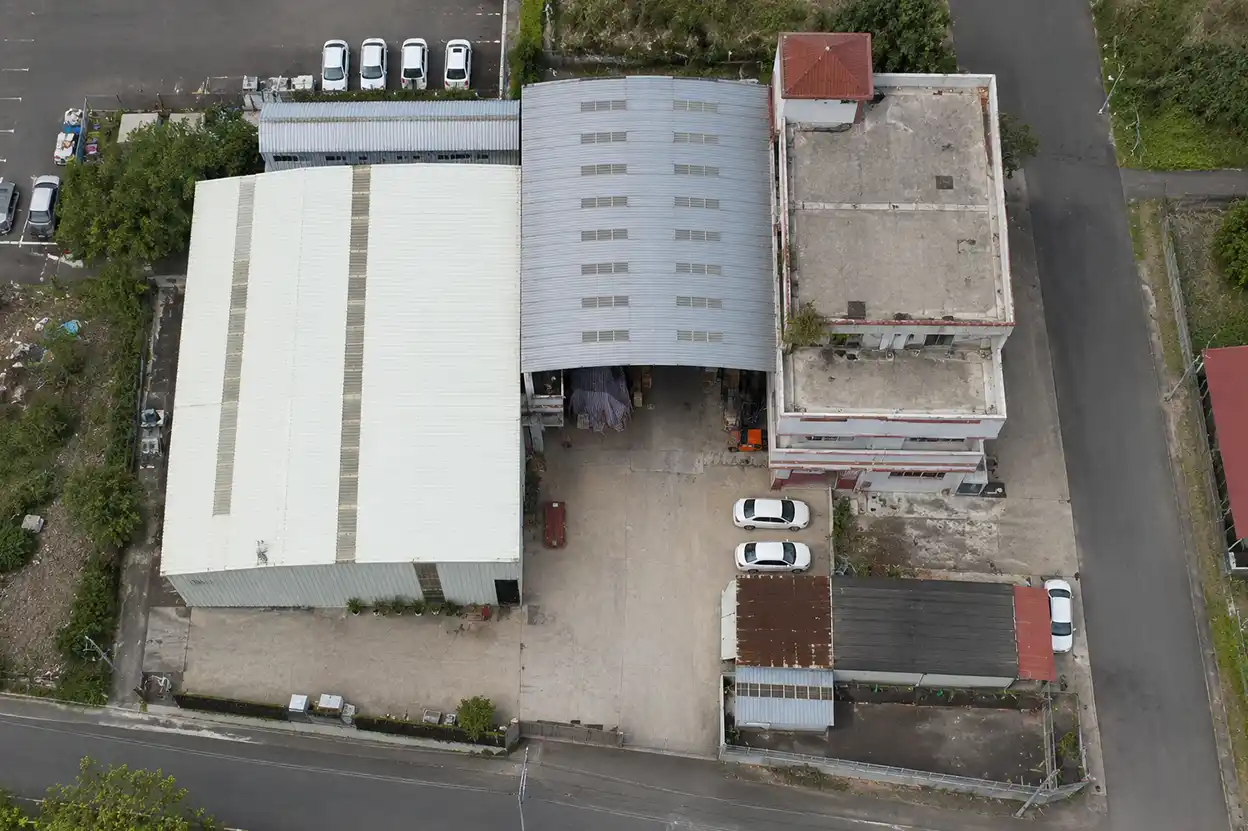
With a 30,000-square-meter headquarters in Guangzhou, China, ONI supports design development, engineering detailing, manufacturing, quality control, and delivery services. For perfume brands, design firms, contractors, and shopfitting partners that need one coordinated supplier, ONI’s
one-stop retail store display cabinet solution provides a practical path from concept development to finished store fixtures.
ONI is suitable for perfume boutiques, department store counters, duty-free fragrance areas, shopping mall stores, pop-up perfume spaces, and multi-store retail rollouts. The company can help turn brand concepts into consistent fixture systems that are visually premium, structurally reliable, and practical for global delivery. For customers, the value is not just a cabinet; it is a smoother and more controlled path from design concept to finished store.
Summary
Choosing a perfume fixture factory means selecting a partner that can reliably manage design development, materials, lighting, sampling, production, quality control, packaging, delivery, and installation support. For perfume brands and multi-store retail projects, the right factory helps maintain consistent finishes, accurate dimensions, durable structures, practical storage, and efficient daily operation while reducing production risks, installation delays, and quality differences across locations.
Frequently Asked Questions
What should I look for in a custom perfume store fixtures factory?
Look for a factory with strong material knowledge, engineering drawing ability, lighting integration experience, sampling support, production control, quality inspection, packaging solutions, and international project delivery experience.
Why are custom fixtures important for perfume stores?
Custom fixtures help perfume brands control product visibility, tester experience, lighting atmosphere, storage function, brand identity, and store consistency. They make fragrance products look more premium and easier to explore.
Can ONI Shopfitting support international perfume store projects?
Yes. ONI Shopfitting supports perfume store fixture projects with design development, engineering, manufacturing, inspection, packaging, logistics coordination, and installation guidance for global retail environments.