How much does it cost to open a clothing store? The answer can range from tens of thousands of dollars for a small boutique to several hundred thousand dollars for a larger fashion store with a complete custom fit-out. The final investment depends on the store size, location, lease conditions, renovation requirements, opening inventory, technology and the level of retail display fixtures required.
For stores that need a full commercial fit-out, renovation and construction can represent a significant part of the budget. According to Cushman & Wakefield, average U.S. in-line retail fit-out costs reached approximately $157 per square foot in 2026, although actual costs can vary widely by market, project scope, materials, and store specifications.
For clothing retailers, the most useful approach is to divide the investment into clear categories: initial setup costs, renovation, clothing store display fixtures, equipment, opening inventory, logistics and ongoing expenses. This makes it easier to understand where your budget is going and where costs can be controlled before opening.
What Are the Initial Costs of Opening a Clothing Store?
The initial investment starts before products reach the sales floor. Rent dePOSits, business registration, permits, design fees, construction, signage and opening inventory all require upfront capital. The condition of the property can make a major difference. Taking over an existing retail unit with usable flooring, ceilings, lighting and HVAC may require much less renovation than starting with an empty commercial shell.
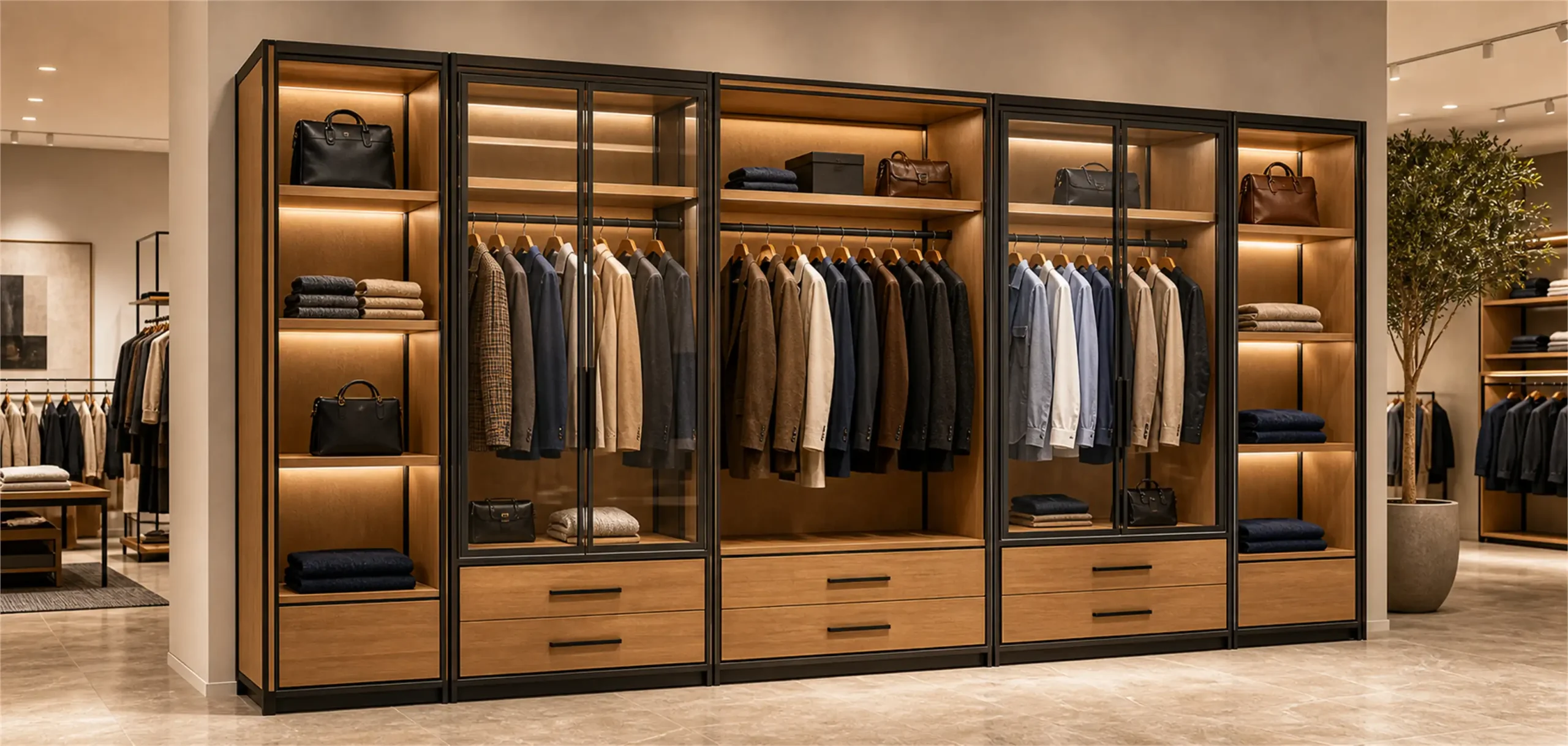
The store concept also affects the budget. A small independent boutique may only require painting, track lighting, modular garment racks, wall shelving and a checkout counter. A premium fashion store may need a full interior fit-out with custom retail fixtures, decorative wall systems, metalwork, timber finishes, glass showcases, integrated LED lighting and specially designed fitting rooms.
It is also important not to spend the entire startup budget on construction and fixtures. Opening inventory, transportation, fixture installation, staff recruitment, marketing, utilities and working capital must still be funded. A complete clothing store budget should therefore cover both the physical store and the expenses required to keep the business operating after opening.
How Much Does It Cost to Open Different Types of Clothing Stores?
The size and positioning of the store have a significant impact on the overall investment. A compact boutique using modular fixtures has very different requirements from a 3,000-square-foot flagship using bespoke materials and a fully coordinated retail interior.
The table below uses the 2026 U.S. national average retail fit-out cost of approximately $157 per square foot as an illustrative construction benchmark. It should not be treated as a complete opening budget because rent, inventory, professional fees, technology and other startup expenses may be additional.
| Clothing Store Type | Approx. Store Size | Typical Fixture & Fit-Out Level | Indicative Full Fit-Out Benchmark* |
|---|---|---|---|
| Pop-Up / Micro Boutique | 200–500 sq. ft. | Basic modular racks and displays | $31,000–$79,000 |
| Small Clothing Boutique | 500–1,000 sq. ft. | Wall fixtures, racks, tables and checkout counter | $79,000–$157,000 |
| Mid-Size Fashion Store | 1,000–2,500 sq. ft. | Coordinated custom fixtures and full fit-out | $157,000–$393,000 |
| Premium / Flagship Store | 2,500+ sq. ft. | Bespoke fixtures and premium branded interior | $393,000+ |
- Pop-Up / Micro Boutique: Keep the store flexible with portable garment racks, modular shelving, compact display tables and a simple checkout station. Avoiding extensive structural work can help reduce the initial investment.
- Small Clothing Boutique: A typical boutique may include wall-mounted garment displays, several freestanding racks, central tables, mirrors, fitting rooms and a checkout counter. One or two retail display cabinets can also be added for accessories or higher-value merchandise.
- Mid-Size Fashion Store: Larger stores generally require a coordinated combination of wall fixtures, floor racks, retail shelving, feature tables, promotional displays, fitting rooms, cash wraps and back-of-house storage.
- Premium / Flagship Store: Premium retail projects may use stainless steel, decorative metal, wood veneer, tempered glass, stone-look finishes and integrated lighting. In these stores, custom retail display fixtures become an important part of the brand environment.
Location can also create significant differences. Cushman & Wakefield’s 2026 data ranges from approximately $120 per square foot in the Midwest to $217 per square foot in Northern California.
How Much Do Equipment and Display Fixtures Cost?

You’ll need essential equipment and retail display fixtures to merchandise clothing properly and operate the store efficiently. Fixture costs vary considerably according to store size, quantity, materials, finishes and the level of customization.
A typical clothing store equipment and fixture budget may include:
- Garment Racks and Retail Shelving: Freestanding racks, wall-mounted rails, double-sided floor units and adjustable retail shelving form the basic merchandising system. Standard modular fixtures generally cost less than custom units made to specific dimensions, materials and finishes.
- Display Tables and Feature Fixtures: Central tables, nesting tables and feature displays can be used for folded clothing, denim, footwear, handbags and new collections. Custom finishes or integrated storage will increase the production cost.
- Retail Display Cabinets: Glass retail display cabinets are useful for jewelry, watches, sunglasses, handbags and premium accessories. Tempered glass, locks, LED lighting and decorative metal finishes can all affect pricing.
- Checkout Counter: A custom retail checkout counter may combine the POS workstation, cable management, lockable drawers, shopping-bag storage and impulse-product displays. Larger or more complex cash wraps generally require a higher budget.
- Fitting Room Equipment: Mirrors, benches, hooks, doors, partitions and lighting should all be included rather than treated as last-minute accessories.
- Mannequins and Visual Merchandising: Window mannequins, torso forms, graphic frames, sign holders and promotional stands help present complete outfits and highlight seasonal collections.
- POS and Technology: POS terminals, scanners, receipt printers, cash drawers and payment devices also need to be included. Shopify says initial POS setup can range from a minimal configuration to around $2,000, depending on hardware and installation requirements.
- Security Equipment: CCTV, alarm systems, locks and electronic loss-prevention equipment may be necessary, particularly for fashion stores carrying premium products. Shopify lists CCTV hardware at roughly $20–$500 per camera, depending on the system.
For a small to mid-sized clothing store, the total equipment and display fixture budget may range from around $10,000 to $50,000 or more, depending on store size, fixture quantity, materials, finishes, technology, and customization requirements. For larger stores or full custom fit-out projects, the budget can be significantly higher.
How Much Should You Budget for Opening Inventory?
Opening inventory is another major expense when starting a clothing store. Unlike construction and fixtures, inventory continuously requires working capital because products must be replenished as they sell. The amount required depends on the number of categories, SKUs, sizes, colors and seasonal collections. A small boutique offering a focused range of products may carry relatively limited opening inventory, while a larger fashion retailer needs enough depth across multiple styles and sizes.
Instead of relying on one generic percentage, calculate the required opening quantity by category and multiply it by the landed product cost. You should also keep money available for early replenishment so that popular styles can be reordered without affecting rent, payroll or other operating expenses.
Inventory planning should also consider how products will be displayed. The capacity of your garment racks, shelving and retail display fixtures should correspond with the amount of stock you plan to place on the sales floor, while additional inventory can remain in back-of-house storage.
What Hidden Costs and Operational Expenses Should You Expect?
One common budgeting mistake is assuming that the contractor’s quotation or fixture factory price represents the complete project cost. Additional expenses can appear between production and opening day.
Hidden and ongoing costs may include:
- Freight and Transportation: Large garment racks, counters and display cabinets can occupy considerable shipping volume.
- Export Packaging: Custom fixtures may require reinforced cartons, foam protection, wooden crates or pallets.
- Customs and Import Charges: Duties, taxes and customs-clearance fees can apply when sourcing fixtures internationally.
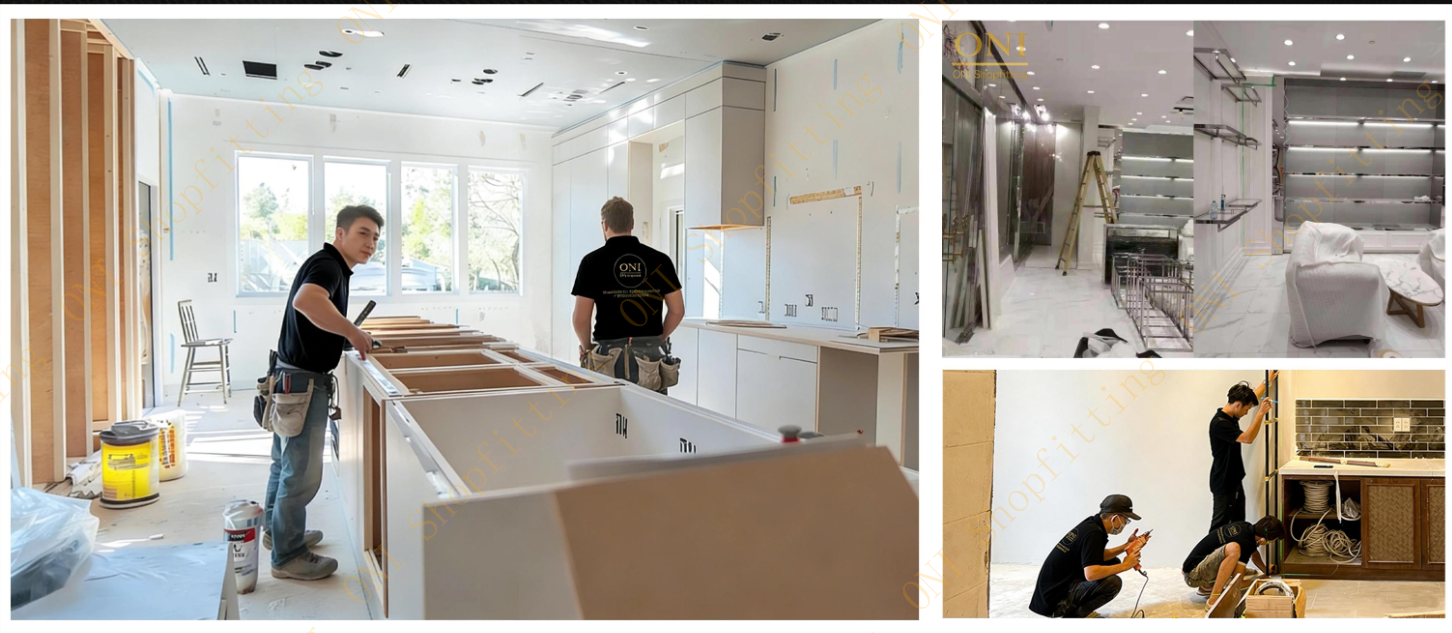
- Fixture Installation: Local fixture installation may include assembly, wall fixing, leveling, electrical connection and final adjustment.
- Samples and Prototypes: Larger custom fixture programs may require material samples or prototype units before mass production.
- Temporary Storage: If store construction is delayed after fixtures arrive, warehousing charges may be required.
- Maintenance and Spare Parts: Locks, LEDs, drivers, hinges, shelf brackets and other components may eventually need replacement.
- Software and Subscriptions: POS systems, inventory software, accounting platforms and other services can involve recurring monthly fees.
- Operating Expenses: Rent, payroll, electricity, insurance, cleaning, marketing, payment processing and stock replenishment continue after opening.
These expenses are why it is important to retain working capital rather than using the entire startup budget on construction, inventory and retail store fixtures.
How Can You Reduce the Cost of Opening a Clothing Store?
You do not necessarily need to choose the cheapest materials to reduce opening costs. Better planning, simpler construction, modular fixtures and standardized specifications can often lower costs without affecting the overall look and function of the store.
Use modular garment racks and retail shelving: Standard systems are usually easier to manufacture, replace and expand than fully custom fixtures.
Standardize fixture dimensions and materials: Using the same sizes, materials and finishes across multiple fixtures can simplify production and reduce manufacturing costs.
Reserve premium finishes for high-visibility areas: Use higher-end materials at entrances, feature walls and checkout areas, while choosing more economical finishes elsewhere.
Combine display and storage functions: Fixtures with drawers, cabinets or hidden storage can reduce the need for separate storage furniture.
Finalize the store layout before production: Confirming the floor plan, fixture sizes and customer flow early helps avoid costly design changes and remakes.
Use knock-down fixtures where appropriate: Flat-pack or disassembled fixtures can reduce packing volume and international shipping costs.
Reuse standardized fixture systems across multiple stores: For chain stores and multi-store rollouts, repeating proven fixture designs can reduce design, prototyping and production costs.
The goal is to reduce unnecessary customization, material waste, production complexity and rework while still creating an attractive, practical and consistent clothing store environment.
Open Clothing Store and Fit-Out Budget Checklist
Before finalizing your clothing store budget, check each major cost category rather than focusing only on rent, renovation or inventory.
| Budget Category | What to Include |
|---|---|
| Lease & Property | Security deposit, advance rent and landlord-related fees |
| Store Design | Floor plans, interior design, fixture drawings and permits |
| Construction & Renovation | Flooring, walls, ceilings, electrical work, lighting, HVAC and storefront |
| Retail Display Fixtures | Garment racks, wall fixtures, retail shelving, display tables and promotional displays |
| Retail Display Cabinets | Glass showcases and custom cabinets for accessories and premium merchandise |
| Checkout Area | Custom checkout counter, POS station, drawers and storage |
| Technology | POS terminals, barcode scanners, computers, printers and payment equipment |
| Security | CCTV, alarms, locks and loss-prevention equipment |
| Opening Inventory | Clothing, footwear, accessories and early stock replenishment |
| Packaging & Freight | Export packaging, inland transport, freight and destination handling |
| Customs & Import Costs | Import duties, taxes and customs-clearance fees |
| Installation | Assembly, positioning, wall fixing and electrical connection |
| Marketing & Launch | Store signage, promotions, advertising and opening campaigns |
| Staff Costs | Recruitment, training and initial payroll |
| Working Capital | Rent, wages, utilities, marketing and inventory replenishment after opening |
| Contingency Budget | Additional allowance for unexpected construction, fixture or logistics expenses |
Using a complete checklist provides a much clearer picture of how much it costs to open a clothing store, especially when the project includes custom shopfitting and internationally sourced clothing store display fixtures.
In Conclusion
The cost of opening a clothing store varies widely depending on store size, location, renovation, inventory, technology, and the level of customization required. A small boutique may require a relatively modest investment, while larger fashion stores with complete fit-outs and custom retail fixtures can cost several hundred thousand dollars. The best approach is to plan the budget by category and confirm the store layout, fixture package, materials, and quantities early to better control costs and avoid unnecessary changes during production.
FAQ
How Much Money Do I Need to Open a Small Clothing Store?
The total investment depends on factors such as location, rent, store condition, renovation, opening inventory and fixture requirements. A small clothing store may require tens of thousands of dollars to open, while projects involving major renovation, custom retail fixtures or higher inventory levels can cost significantly more. Choosing a previously fitted retail space and controlling renovation and fixture specifications can help reduce the overall startup budget.
How Much Do Clothing Store Display Fixtures Cost?
Fixture costs depend on quantity, size, materials, finishes, and customization. Standard garment racks and shelving are more affordable, while custom wall displays, cabinets, lighting, and checkout counters will increase the budget.
What Are the Biggest Costs When Opening a Clothing Store?
The main expenses usually include rent, renovation, inventory, retail display fixtures, technology, and working capital. The final cost depends on the store condition, size, and level of fit-out required.
Planning a Clothing Store Fixture and Fit-Out Project?
If you are preparing a new boutique, fashion store or multi-location rollout, start with your store floor plan, fixture requirements, approximate quantities, preferred materials and target delivery date. These details make it much easier to estimate the fixture portion of your project before production begins.
ONI Shopfitting provides customized clothing store display fixtures, retail shelving and garment racks, display tables, retail display cabinets, wall fixtures and custom checkout counters for B2B retail projects. A coordinated fixture solution can be developed around your store layout, merchandising requirements, brand design and rollout needs.
 Get in touch with us today to start your project.
 WhatsApp/Call: +86 186 2096 3396
 Email: sales1@onishopfitting.com
 Factory Location: Guangzhou, China