


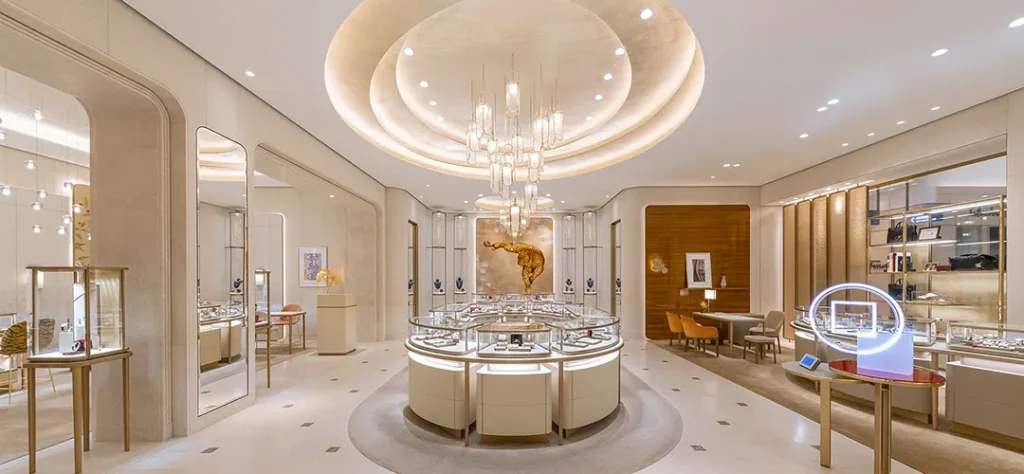
A luxury watch cabinet does more than hold products. It frames craftsmanship, protects value, and transforms materials into a powerful brand experience.
In modern retail spaces, display cabinets play a crucial role in shaping customer perception. The choice of materials and finishes directly affects how watches are seen—enhancing brilliance, conveying precision, and reinforcing a sense of exclusivity and trust.
The best watch cabinet materials include tempered glass, ultra-clear glass, stainless steel, MDF, plywood, wood veneer, leather, microfiber, stone, acrylic, and LED lighting components. The right combination improves visibility, durability, and security while creating a refined luxury retail atmosphere. The following, we’ll guide you on how to choose the right materials and finishes.

Why Watch Cabinet Materials is important?
In luxury watch retail, customers judge the product before they touch it. The cabinet becomes part of that judgment. If the glass looks cloudy, the metal feels weak, or the surface finish scratches easily, the watches inside may appear less valuable.
High-quality materials do more than enhance appearance—they influence light reflection, color accuracy, and overall presentation. Clear glass highlights intricate watch details, refined metal adds strength and precision, and premium finishes communicate durability and craftsmanship. Every element works together to elevate perceived value.
Choosing the right materials also ensures long-term performance. Durable surfaces resist daily wear, maintain a clean and polished look, and support security features essential for high-value products. In this way, the cabinet is not just a display—it becomes a strategic tool for branding, protection, and customer experience.
Watch Cabinet Material Comparison Table
Selecting the right materials for a watch cabinet requires balancing aesthetics, durability, cost, and brand positioning. Each material serves a specific purpose, from enhancing product visibility to reinforcing structural integrity and delivering a premium tactile experience.
The following comparison table outlines the most commonly used materials in watch cabinet manufacturing, along with their key advantages and ideal applications, helping you make informed decisions for different retail scenarios.
| Material | Main Purpose | Advantages | Best Application |
|---|---|---|---|
| Tempered Glass | Product display & safety | High impact resistance, safer than ordinary glass | Showcase doors, panels, cabinet fronts |
| Ultra-Clear Glass | Premium product presentation | Low green tint, crystal-clear viewing effect | Luxury eyewear boutiques, brand flagship shops |
| Stainless Steel | Frame construction & decorative trim | Wear-resistant, sleek texture, anti-theft performance | Cabinet frames, edge trims, handles, base supports |
| MDF | Main cabinet carcass | Smooth surface, easy to coat with custom lacquer | Lacquered display cabinets, service counters |
| Plywood | Structural reinforcement | Superior load-bearing stability | Cabinet bases, internal support frameworks |
| Wood Veneer | Warm high-end texture | Natural wood grain, timeless premium look | Vintage & heritage optical retail spaces |
| Leather | Upscale soft finishing | Delicate tactile texture, elegant appearance | Display trays, storage drawers, VIP consultation counters |
| Microfiber / Velvet | Eyewear protection | Anti-scratch, soft cushioning | Sunglasses pads, internal cabinet liners |
| Stone | High-end counter surfaces | Heavy luxury texture, wear-resistant | VIP island stands, premium reception counters |
Tempered Glass and Ultra-Clear Glass
Glass is one of the most visible parts of a watch cabinet. It directly affects how clearly customers can see the product.
Tempered glass is commonly used because it offers better safety and strength than ordinary glass. It is suitable for top panels, front panels, side panels, and enclosed showcases.
Ultra-clear glass is often used in premium watch boutiques because it reduces the green tint found in standard glass. This gives watches a cleaner and more accurate appearance, especially under professional lighting.
When choosing glass, brands should consider:
- Glass thickness
- Edge polishing
- Anti-glare requirements
- Lock integration
- Cleaning frequency
- Shipping protection
- Safety requirements
Stainless Steel and Metal Details
Metal gives a watch cabinet structure, durability, and a premium visual language. Stainless steel is especially popular because it feels strong, clean, and high-end.
Metal can be used for:
- Internal frames
- Decorative trims
- Cabinet bases
- Drawer handles
- Lock protection
- Reinforced corners
- Logo details
- Display edges
Brushed stainless steel creates a modern and understated look. Polished stainless steel feels more decorative and jewelry-like. Electroplated metal, such as champagne gold, rose gold, or black titanium, can create a more luxurious boutique atmosphere.
However, metal finishing must be carefully controlled. Uneven brushing, weak plating, visible welding, or poor polishing can damage the whole cabinet’s luxury image.
MDF, Plywood, and Cabinet Structure
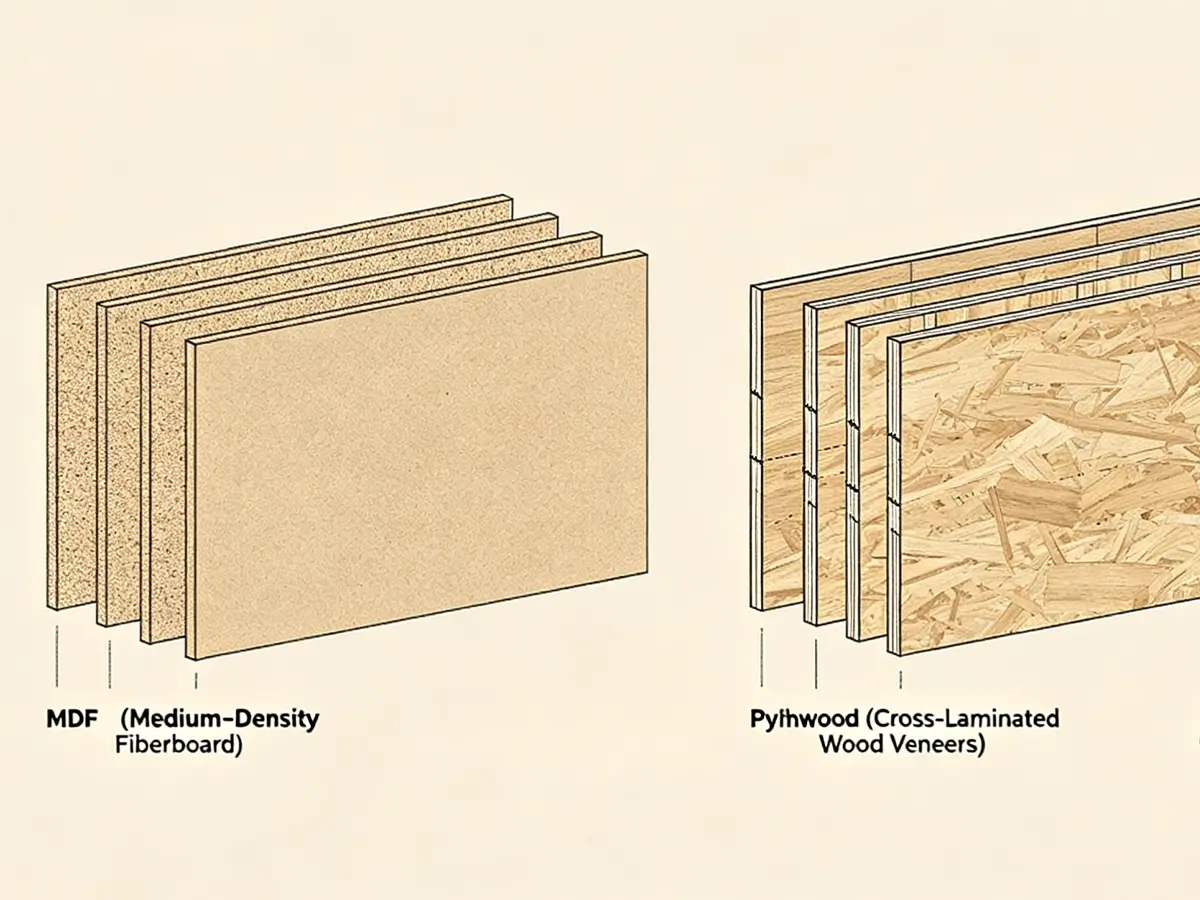
MDF and plywood are often hidden under the final finish, but they are extremely important. They affect cabinet shape, weight, strength, and surface quality.
MDF is ideal for smooth painted surfaces, curved cabinet forms, and lacquer finishes. It is often used when the design requires a clean, seamless appearance.
Plywood is stronger in many structural areas. It is useful for cabinet bases, load-bearing sections, and areas that need better screw-holding strength.
For international store rollouts, material stability is especially important because fixtures may face different climates, shipping conditions, and installation environments.
In practice, most high-quality watch cabinets combine both materials to balance performance and cost. MDF is typically used for visible surfaces that require a refined finish, while plywood reinforces internal structures to ensure durability and long-term stability. This combination helps maintain precision, prevent deformation, and support consistent quality across large-scale retail projects.
Wood Veneer for Heritage and Warmth
Wood veneer is widely used in luxury watch stores that want a warm, classic, or heritage-inspired atmosphere. Common veneer choices include:
- Walnut
- Oak
- Ash
- Ebony
- Teak
- Smoked veneer
- Dark-stained veneer
Wood veneer works well with leather trays, warm LED lighting, brushed metal, and stone counters. It helps the store feel calm, refined, and personal.
Compared with solid wood, veneer is often more practical for commercial fixtures. It offers better consistency, easier replication, and more stable performance across multiple store locations.
In addition, wood veneer allows designers to achieve a high-end natural look while maintaining flexibility in production. It can be applied to complex cabinet shapes, supports consistent color matching across batches, and reduces the risk of cracking or warping over time. This makes it especially suitable for global retail rollouts where visual uniformity and long-term reliability are essential.
Stone and Sintered Stone Surfaces
Stone is often used for consultation counters, boutique islands, and VIP presentation tables. It creates weight, permanence, and a strong luxury impression.
Natural marble looks unique, but each slab is different. This can be beautiful for flagship boutiques but difficult for multi-store rollouts.
Sintered stone and engineered stone offer better consistency. They are often easier to replicate, ship, and install across multiple retail locations.
Before choosing stone, consider:
- Weight
- Edge protection
- Color consistency
- Shipping risk
- Surface maintenance
- Installation method
- Structural support
Stone should elevate the product presentation without distracting from the watches.
Fixture Finish Comparison Table
Different surface finishes define the overall tone and durability of your optical display fixtures. Below is a comparison of mainstream decorative finishes, covering visual presentation, core strengths and applicable retail scenarios to help you pick the ideal treatment for your eyewear shop.
| Finish | Visual Effect | Advantages | Optical Retail Use |
|---|---|---|---|
| Brushed Metal | Modern and refined | Durable, elegant, practical | Premium technical eyewear brands |
| Polished Metal | Bright and luxurious | Jewelry-like effect | High-end boutique eyewear details |
| Electroplated Gold | Decorative luxury | Strong visual impact | Luxury display trims and accents |
| Matte Lacquer | Minimal and clean | Modern, understated | Contemporary optical shops |
| High-Gloss Lacquer | Dramatic and premium | Reflective luxury look | Flagship eyewear counters |
| Powder Coating | Durable and flexible | Good color control | High-traffic retail fixtures |
| Wood Veneer | Warm and classic | Natural premium texture | Heritage optical & vintage eyewear brands |
| Leather Wrapping | Soft and tactile | VIP luxury feeling | Eyewear trays & consultation zones |
| Stone Finish | Heavy luxury | Strong visual identity | VIP display counters & island stands |
| Anti-Fingerprint Finish | Clean and practical | Easier maintenance | Frequently touched metal display areas |
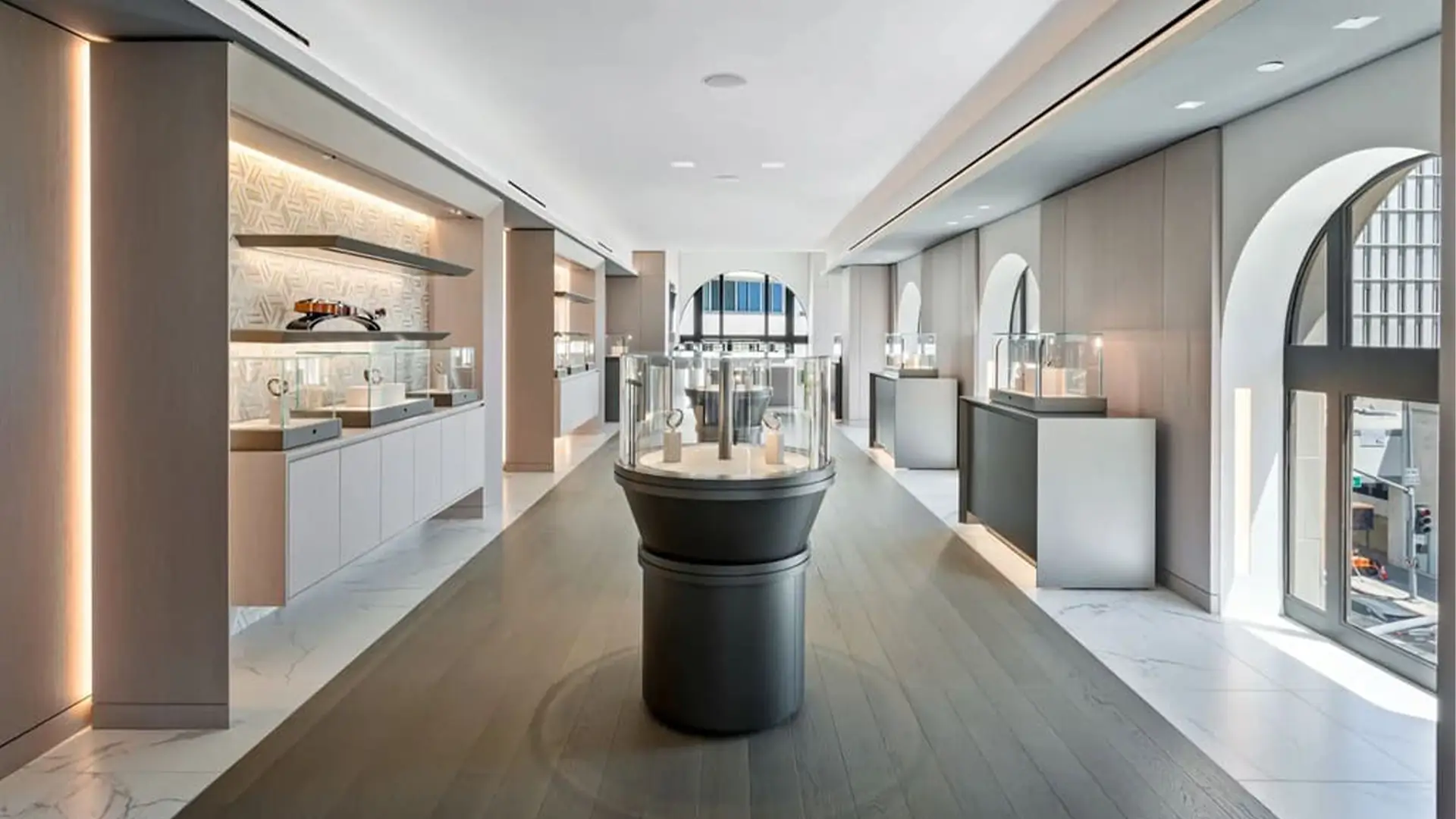
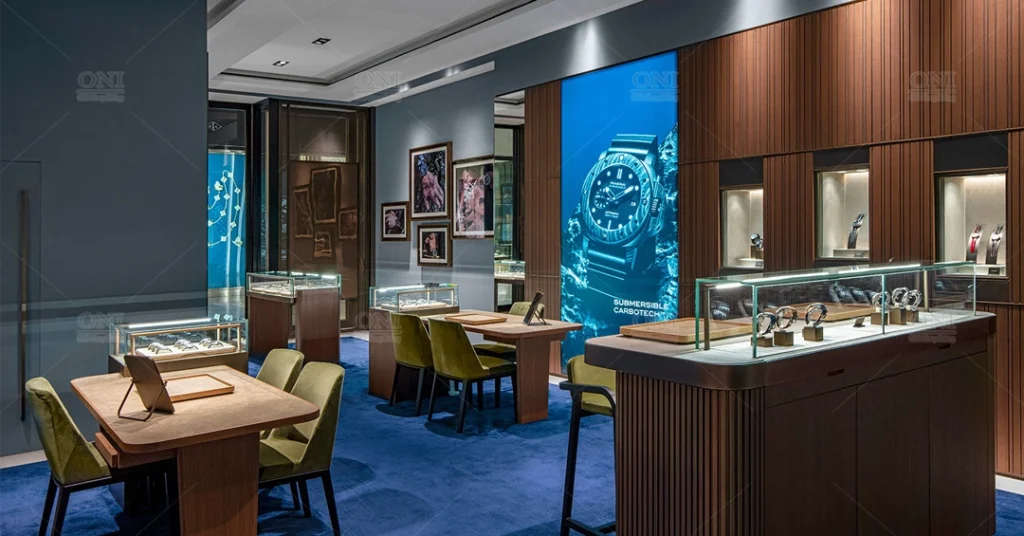
ONI Shopfitting Watch Store Case Example

In Conclusion
The right watch cabinet materials and finishes improve visibility, protect products, strengthen brand image, and support long-term luxury retail performance. With 26 years of experience, ONI Shopfitting provides one-stop retail store display cabinet solutions for watch brands, designers, contractors, and regional shopfitting partners.
👉 Get in touch with us today to start your project.
📞 WhatsApp/Call: +86 186 2096 3396
📧 Email: sales1@onishopfitting.com
🌐 Website: www.onishopfitting.com
📍 Factory Location: Guangzhou, China
🔗Check out our social media case studies:Guangzhou ONI Shopfitting Limited